
When Depression Doesn’t Respond to Standard Treatments, There’s Often a Biochemical Reason
Feeling tired. Then disconnected. Then… hollow.
It isn’t just numbness — it’s a quiet kind of devastation.
A darkness that seeps in slowly until you can’t quite remember what hope feels like.
You can’t explain why — only that the light inside you feels like it’s fading.
You’ve tried everything.
But the darkness won’t lift.
So here’s a question worth asking:
What if the answer lies deeper — in your biochemistry, your story, and your cells?

🧠 Not Just in Your Head — Let’s Decode the Root Causes of Your Depression!!
Struggling with depression that hasn’t responded to typical solutions? You’re not alone — and it’s not your fault. At BalanSoul, we look beyond symptoms to uncover the biochemical patterns driving your mood.
*** This is not a consultation or treatment — it’s a brief call to see whether a personalised naturopathic approach is right for you ***
Depression doesn’t simply make you feel low; it can quietly dismantle your life.
Relationships strain. Focus blurs. The things that once brought joy now feel unreachable —
like wearing dark sunglasses that block every ray of light.
The positive can’t get through. Even warmth feels distant.
You may still smile at others, but inside, the flame has gone out.
And this matters — because depression is not laziness.
It’s not weakness.
It’s a deep biochemical and emotional exhaustion —
where every step feels like wading through mud.
If you’ve been there, you know depression doesn’t just hurt the mind —
it eclipses your spirit, your energy, your very sense of self.
But here’s the part many people don’t hear…
Even when it feels like the light has gone out,
something inside you still waits — quiet, patient, unbroken.
Like a flintstone held in the dark, it only takes a single spark to begin again.
That spark might be small —
a kind word, a moment of clarity, the right support —
but it’s enough to rekindle what’s been missing.
And with the right tools, that flicker can grow —
not overnight, but gently, steadily — into something warm and alive again.
Just as one spark can ignite a bushfire,
one shift in chemistry,
one moment of truth,
can begin to burn through the darkness and light your way forward.
At BalanSoul, we’re here to help you strike that first spark.
At BalanSoul, we specialize in natural therapies for depression that go beyond symptom management to uncover and treat the root causes of emotional imbalance.
Whether you’re experiencing low motivation, fatigue, anxious overthinking, or deep emotional flatness, our integrative approach blends evidence-based natural medicine with functional testing and compassionate care to support long-term recovery — without relying solely on medication, or while working alongside it.
Why this matters for real people
Many people arrive here asking:
- How to combat depression when nothing seems to work anymore
- How can I help someone with depression — a partner, a child, a parent, or themselves
- Or quietly wondering how to stop worrying about everything, while carrying the weight of the past they can’t seem to put down. If you’re carrying emotional weight from earlier life events, you’re not alone — many people seek help with how to forget about the past so they can finally move forward.
This is not a consultation or treatment — it’s a brief call to see whether a personalised naturopathic approach is right for you.
Depression doesn’t look the same for everyone.
The symptoms of depression for women often show up as exhaustion, emotional overwhelm, or feeling disconnected from themselves.
The signs and symptoms of depression in men may appear as irritability, withdrawal, or pushing through while silently burning out.
And the symptoms of depression in teens can be subtle — changes in mood, motivation, sleep, or behavior that are too easily dismissed.
Understanding how depression shows up in different bodies and life stages is the first step toward real, lasting healing.
What Is Depression?
Depression is more than sadness —
it’s a deep disruption in how your body and brain process energy, emotions, and connection.
It may look like fatigue or disinterest on the outside,
but inside, it’s often a daily struggle to stay afloat.
And it doesn’t stop at mood.
Depression can affect your relationships, focus, sleep, and even your physical health —
yet many people are still told it’s “just in your head” or that medication is the only answer.
Here’s the truth most people aren’t told:
👉 Depression is not a personal failure.
👉 It’s not a lack of willpower.
👉 And it’s rarely just “one thing.”
And here’s something important…
As someone who has lived with depression for much of my life,
I understand how isolating and overwhelming it can feel.
That sense of being cut off — from yourself, from others, from the life you once knew —
is something you don’t forget.
If you’d like to read more about my personal journey, you can visit my story here: Why I Care About Depression.

At BalanSoul, we take a different approach
Here at BalanSoul, we don’t just treat symptoms —
we decode the underlying chemistry of your depression.
Because what if depression isn’t one condition…
…but five distinct patterns,
each with a unique chemical signature?
Backed by decades of biochemical research, the Walsh Protocol reveals a groundbreaking insight:
for most people with depression, symptoms are linked to one of five distinct brain-based biotypes.
And this is where things start to make sense
These biotypes aren’t just theory.
They show up in blood tests, nutrient patterns, and brain chemistry —
and they help explain why:
- Some people thrive on antidepressants
- Others feel flat, numb, or worse
- And many never get lasting relief at all
When you understand your biotype, treatment stops being guesswork —
and starts becoming precise.
👇 Let’s explore what that means for you…
The Walsh Protocol & Biotypes of Depression
What if your depression wasn’t a generic chemical imbalance…
but one of five distinct biotypes, each with its own brain chemistry and treatment needs?
Dr. William Walsh analyzed over 30,000 patients with clinical depression, conducting more than 250,000 lab assays. What emerged was a revolutionary insight:
95% of depressive cases fall into five core biotypes, each defined by unique biochemical patterns and symptoms.
This is the foundation of the Walsh Protocol — a precision-based approach that moves beyond trial-and-error psychiatry and toward biochemically targeted care.
The 5 Biotypes of Depression (Walsh Protocol)
Each biotype has specific lab findings, symptom clusters, and treatment implications.
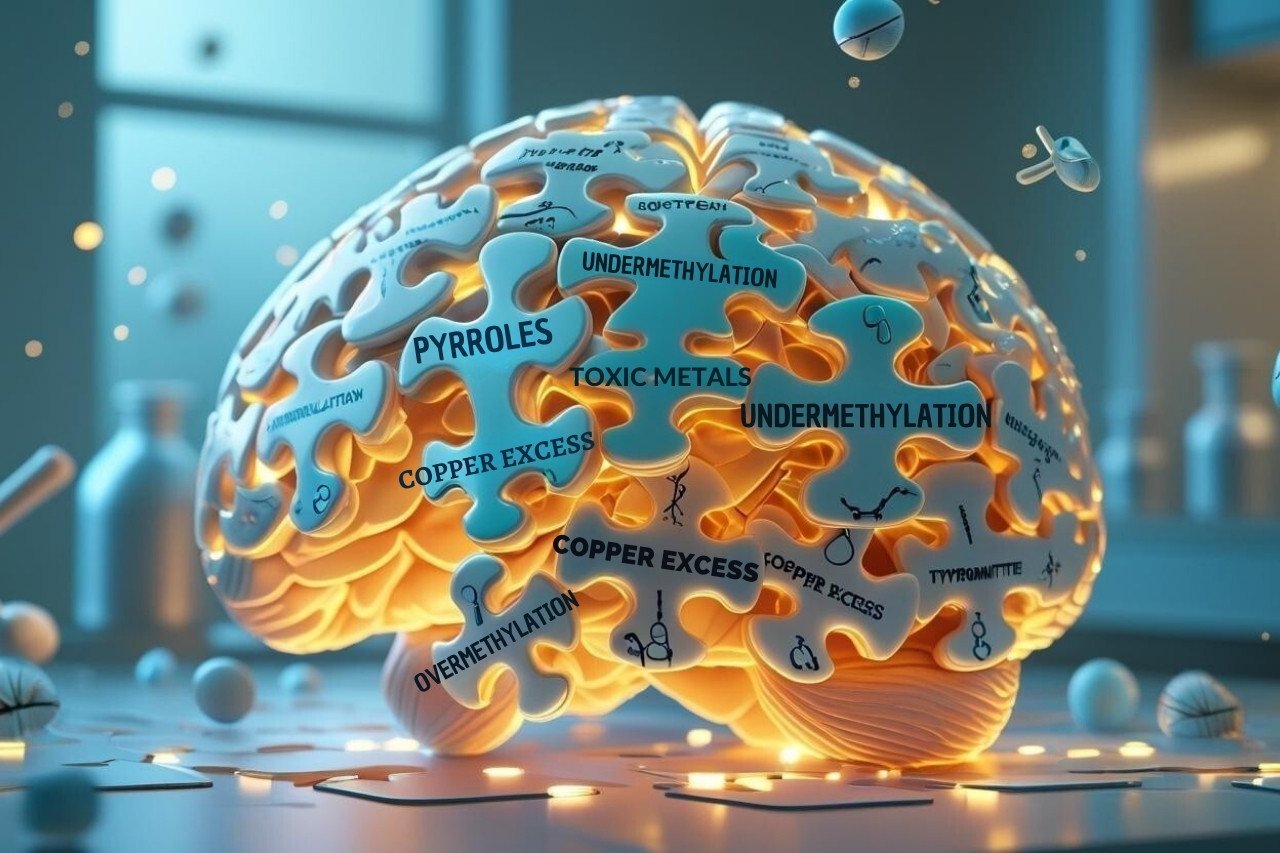
1. Undermethylation Depression (~38%)
Low serotonin activity + high histamine + inner tension.
- Driven by a low methylation status (low SAMe/SAH ratio).
- Signs and symptoms include: perfectionism; high inner tension; obsessive thinking; competitiveness; social isolation; seasonal allergies; high achievement under stress; and tendency toward anxiety or depression when overworked.
- Folate often makes symptoms worse in this group — despite being a methyl donor.
- 📈Usually responds well to SSRIs.
🧪 Labs: High blood histamine, low basophils, low SAMe.
🧠 Best nutrients: SAMe; methionine, zinc, B6, calcium, magnesium, TMG.
⚠️ Caution: Often worsens with folate or folinic acid.
2. Overmethylation / Folate-Responsive Depression (~20%)
High dopamine/norepinephrine + low histamine + anxious, creative temperament.
- Characterized by excessive methyl donors and low whole-blood histamine.
- Frequently worsen with SSRIs, but improve with folate.
- Signs and symptoms include: anxiety; panic attacks; sensitivity to medications or supplements; sleep disturbance; food and chemical intolerance; and creative or emotionally intense personalities.
🧪 Labs: Low histamine, elevated SAMe/SAH ratio.
🧠 Best nutrients: Folate, B12, niacin/niacinamide, GABA, zinc, DMAE, manganese.
⚠️ Caution: Avoid methyl donors such as SAMe and methionine.
3. Copper Overload Depression (~17%)
- Characterized by elevated serum copper and depressed zinc levels.
- More than 95% of cases are female (but also very common in males)
- Linked to hormonal shifts (puberty, pregnancy, oral contraceptives, menopause).
- Signs and Symptoms include: post-partum depression, estrogen intolerance, tinnitus, skin sensitivity (tags in shirts/blouses, rough fabrics, cheap metals), anger outbursts, academic underachievement.
🧪 Labs: High plasma copper, low ceruloplasmin, low zinc, low metallothionein.
🧠 Best nutrients: Vitamin C, Zinc, B6, selenium, manganese (if not undermethylated), MT-promoting compounds.
⚠️Caution: Zinc must be introduced slowly to avoid temporary worsening. Avoid copper-rich multivitamins or birth-control pills.
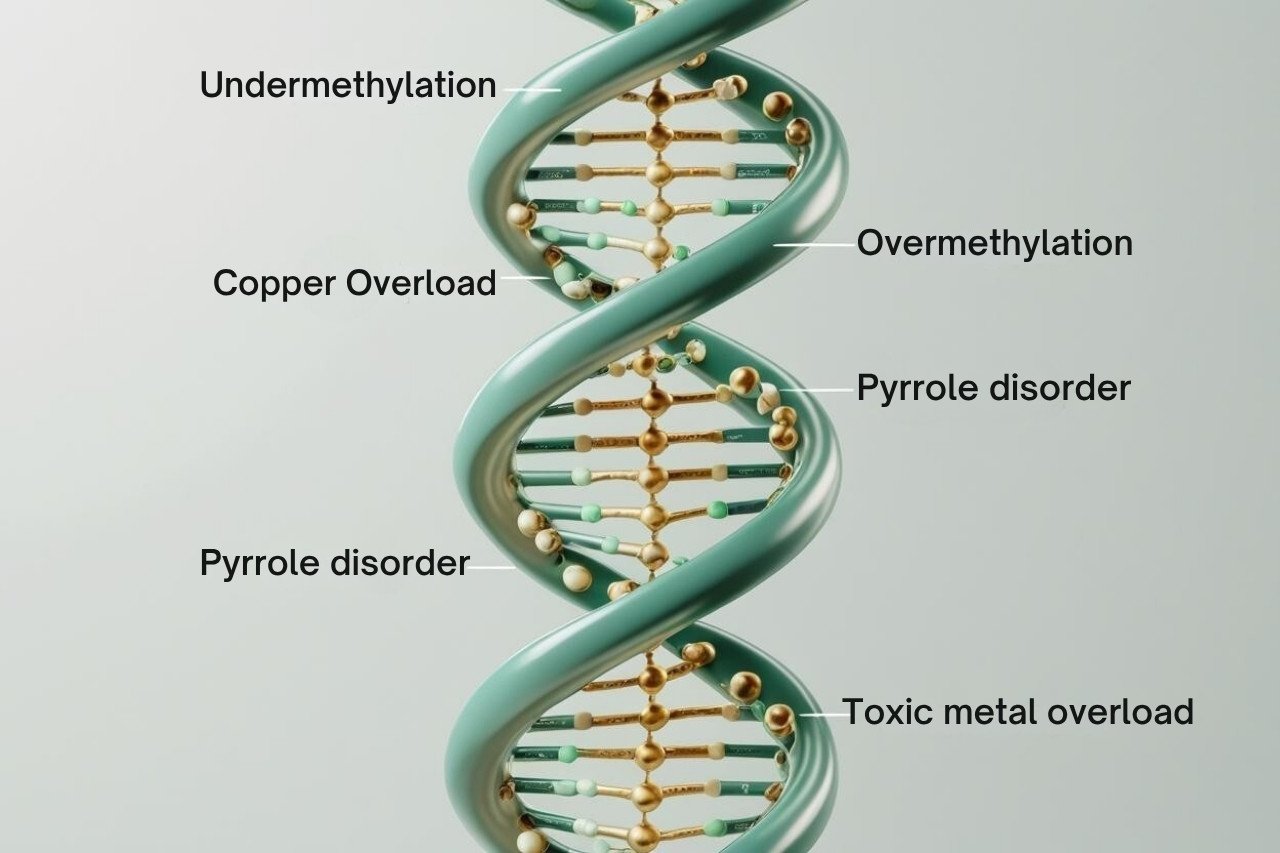
4. Pyrrole Disorder Depression (~15%)
- Characterized by elevated urinary HPL (kryptopyrroles), which depletes zinc and B6.
- Signs and Symptoms include: Severe anxiety; poor dream recall; sensitivity to light/noise; frequent infections; mood swings; reading disorders; tendency to stay up very late; tendency to delay or skip breakfast
🧪 Labs: Elevated kryptopyrroles in urine, low zinc, low B6.
🧠 Best nutrients: Zinc, P5P/B6, primrose oil (GLA), biotin.
📈 Response: Often shows rapid improvement within weeks of correcting nutrient deficiencies.
5. Toxic Metal Overload Depression (~5%)
- Characterized by accumulation of lead, mercury, or other toxic metals interfering with neurotransmitter signaling.
- These individuals often have no emotional trauma history yet suffer deep, persistent depression.
- Signs and symptoms include: metallic taste; digestive issues; mood volatility; brain fog; poor focus; irritability; fatigue; learning or developmental issues; chemical sensitivity; and slow recovery from illness.
🧪 Labs: Heavy metal panels, high oxidative stress markers.
🧠 Best nutrients: Zinc, selenium, glutathione, calcium (lead), MT-promoting nutrients.
🌿 Supportive care: Focus on detoxification pathways and antioxidant support.
Which Walsh Biotype Are You?
You’ll receive a personalized bar graph of your likely biotype scores.
🔒 No cost, no spam — just insights.
Integrating the Walsh Biotype Model into Personalized Care
As a practitioner personally trained by Dr. William Walsh, I use this biotype model to help uncover the underlying biochemical patterns contributing to depression. Dr. Walsh’s research has shown that many individuals who struggle to improve with standard approaches fall into one of several nutrient-based biotypes — each requiring a distinct and targeted treatment approach.
💡 This is why we test — not guess.
At BalanSoul, we integrate this powerful model into your personalised care. For deeper insight into each biotype, you can explore our Walsh Protocol page — or get started today with a discovery call.
While the Walsh Protocol provides an invaluable framework for identifying the biochemical patterns behind depression, it’s only one part of how we work. At BalanSoul, we combine this model with other evidence-based tools — from gut and hormone testing to trauma-informed care and amino acid therapy.
Depression is rarely one-dimensional. That’s why your plan is never based on biotype alone — it’s built around your whole story, body, and biology.
When Standard Approaches Haven’t Helped
A practitioner trained in the Walsh model understands that when depression persists despite best efforts, it often reflects a biochemical mismatch, not a lack of effort, motivation, or compliance.
👉 This is why testing matters.
👉 This is why guesswork fails.
👉 And this is why personalised care changes outcomes.
At BalanSoul, we integrate nutritional, biochemical, and lifestyle strategies with biotype-specific insight — so treatment finally aligns with what your brain and body are asking for.
For a deeper exploration of how this works, you can visit our dedicated Walsh Protocol page.
Why the Walsh Biotype Model Matters
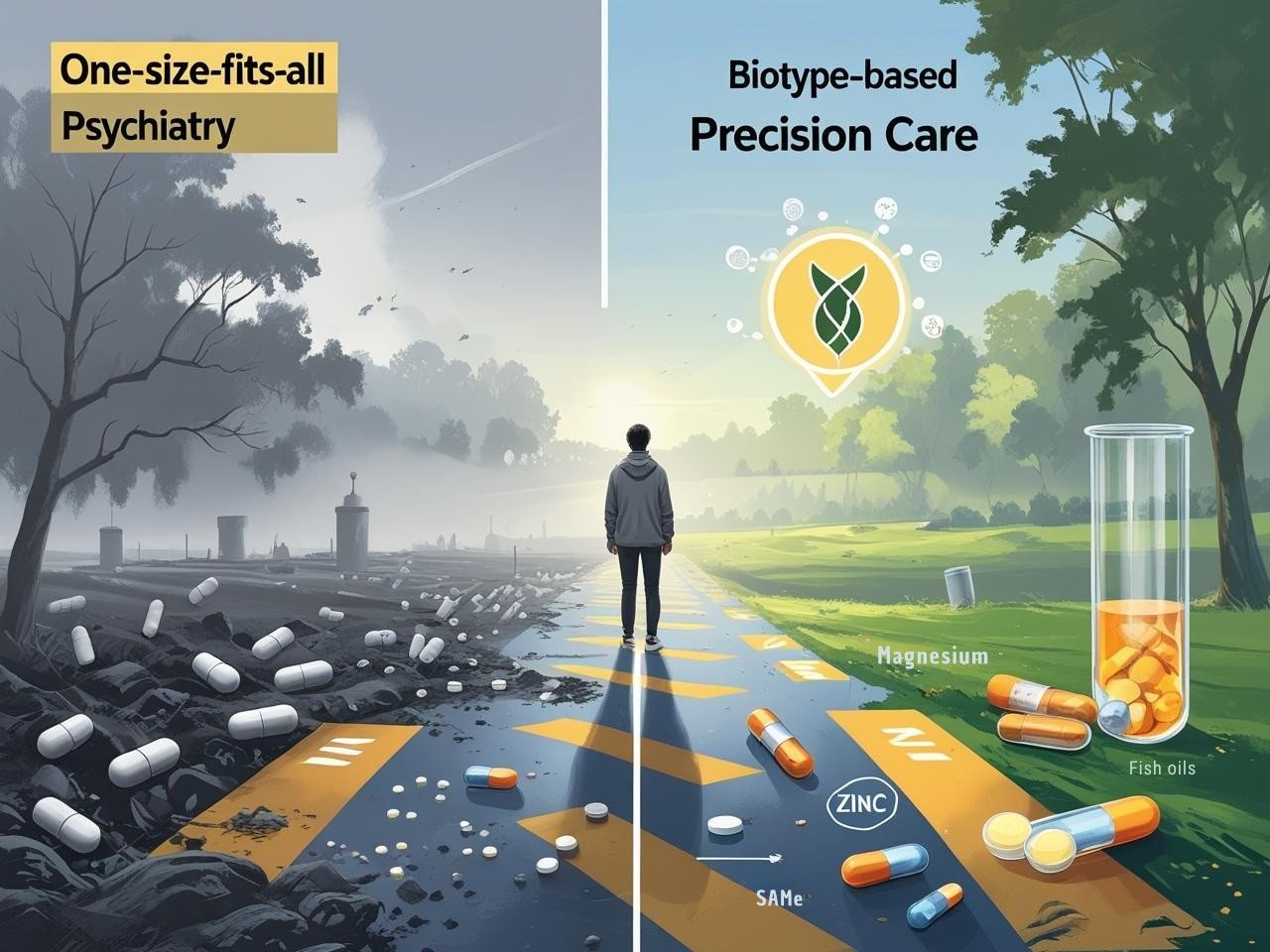
Traditional psychiatry treats depression as one condition.
But Walsh’s research shows:
- SSRIs help some, but worsen others
- Folate helps some, but destabilizes others
- Symptoms like anxiety, OCD, or fatigue can arise from opposite biochemical roots
👉 Same diagnosis. Opposite needs.
This explains why:
- Some people feel worse on antidepressants
- Others improve briefly, then relapse
- Many are labelled “treatment-resistant” when the issue is actually a biochemical mismatch
🧪 Why We Test — Not Guess
As a practitioner personally trained by Dr. William Walsh, I use this biotype model to uncover the underlying biochemical patterns contributing to depression.
Dr. Walsh’s research has shown that many individuals with treatment-resistant depression fall into one of several nutrient-based biotypes, each requiring a distinct treatment approach.
👉 This is why we test — not guess.
At BalanSoul, we integrate this powerful model into your personalised care.
For deeper insight into each biotype, you can explore our Walsh Protocol page — or get started today with a discovery call.
Beyond Biotypes: Whole-Person Care
While the Walsh Protocol provides an invaluable framework for identifying the biochemical patterns behind depression, it’s only one part of how we work.
At BalanSoul, we combine this model with other evidence-based tools, including:
- Gut and hormone testing
- Trauma-informed care
- Amino acid therapy
- Nutritional and lifestyle medicine
That’s why many of our clients come to us after trying to cope with depression on medication alone — and are now ready for a more personalised path to dealing with depression without medication.
That’s why your plan is never based on biotype alone — it’s built around your whole story, body, and biology.
“The Walsh Protocol is a powerful starting point—but it’s only part of the picture. We tailor each plan using multiple root-cause tools for lasting healing.”
Root Causes & Contributing Factors
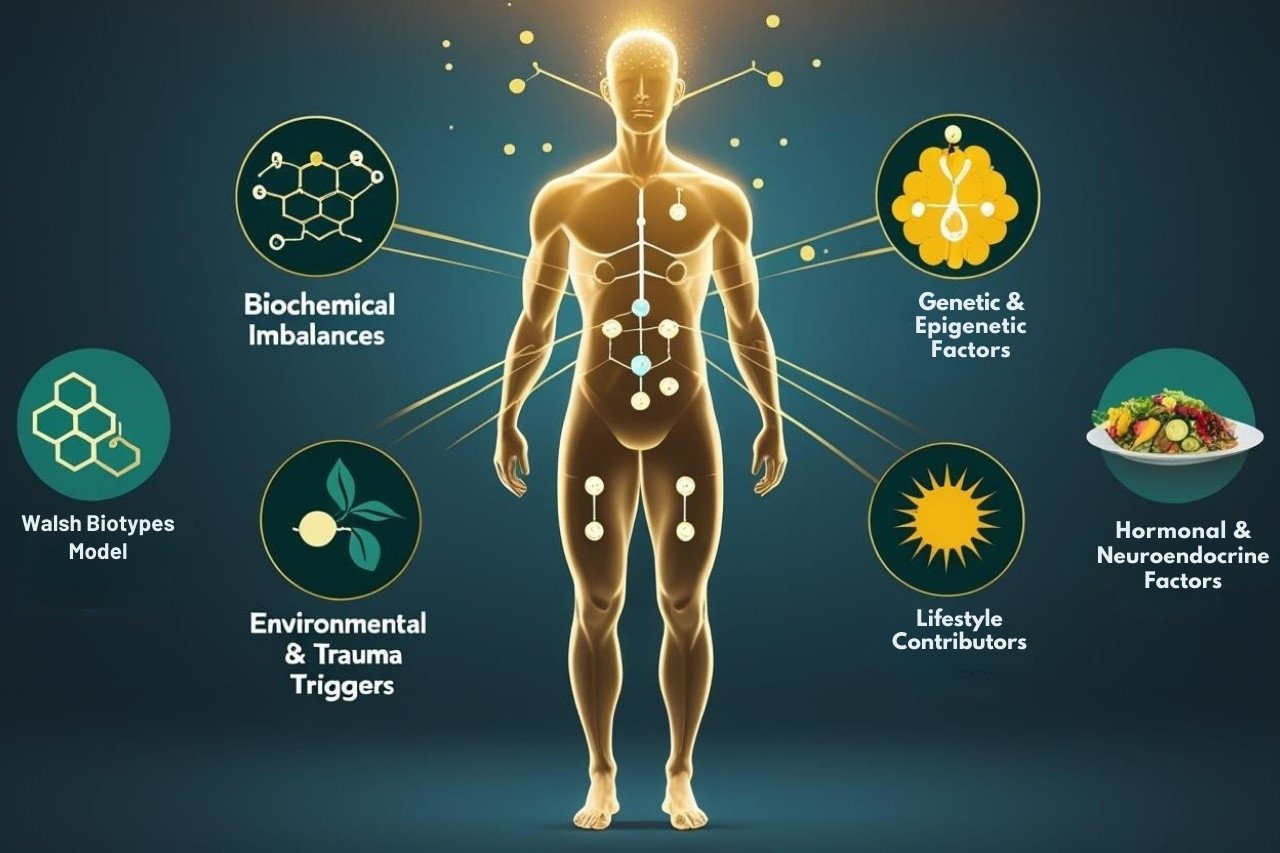
Depression is rarely caused by one factor alone.
As we’ve already explored through the five key biotypes, chemistry plays a powerful role — but it’s only one layer of a much larger picture. Depression is a multi-layered, multifactorial condition, woven together like a web where biology, environment, and lived experience all interact.
At BalanSoul, we look at each thread under a microscope — from hormones and neurotransmitters to trauma, sleep, and nutrition — to understand how they connect and what’s driving your symptoms.
For example, low thyroid function, chronic gut inflammation, oxidative stress, or blood-sugar imbalance can each disrupt mood regulation. So can genetic variations, nutrient deficiencies, or long-term stress that alters brain chemistry and adrenal balance.
The more we uncover, the clearer it becomes:
depression is not just a mood disorder — it’s a systems disorder.
To understand depression fully, we examine it through five key dimensions — each one revealing a different piece of the biochemical and environmental puzzle:
Biochemical Imbalances
- Low serotonin or dopamine
- Nutrient deficiencies (zinc, B12, folate)
- Impaired methylation (MTHFR, SAMe)
- Neuroinflammation / oxidative stress — a growing body of research asks: does inflammation cause depression? The answer appears to be yes, especially when inflammation disrupts serotonin or dopamine pathways.
Genetic & Epigenetic Factors
- MTHFR, COMT, MAO-A SNPs
- Pyrrole disorder (elevated HPL)
- High histamine, low DAO
- BDNF polymorphisms
Environmental & Trauma Triggers
- Childhood trauma or chronic stress
- Mold illness, chemical sensitivity
- EMF sensitivity or toxin exposure
- Gut-brain dysfunction, dysbiosis
Lifestyle Contributors
- Irregular sleep, burnout, shift work
- Poor diet, ultra-processed foods
- Substance use or caffeine overreliance
- Lack of sunlight or movement
Hormonal & Neuroendocrine Factors
- Thyroid dysfunction (esp. Hashimoto’s)
- Postpartum hormone crash
- Low DHEA or cortisol depletion
- Estrogen withdrawal → MAO-A spike (perimenopause, postpartum)
Signs & Symptoms of Depression

Hormones, biology, and life experiences interact differently for each person — which is why depression can look very different from one individual to another.
How does it feel to be depressed?
For some, depression feels like a deep fatigue that seeps into every cell — a heaviness that never lifts. For others, it’s restlessness, anxiety, or a deep sense of impending doom — as if standing at the edge of a bottomless pit, hollow and numb, yet still aching inside.
That’s why at BalanSoul, we don’t just look at depression as a diagnosis. We look for its unique pattern in you — the way it shows up in your energy, sleep, focus, emotions, and physical body. The more precisely we map your symptom picture, the more effectively we can tailor your treatment plan.
So what does depression actually look like day-to-day?
Below are some of the most common signs and symptoms of depression, ranging from subtle emotional shifts to more physical and biochemical indicators. Recognising your personal combination of these patterns is often the first step toward recovery.
Emotional & Cognitive
- Low motivation or energy
- Persistent sadness or emotional flatness
- Brain fog, poor concentration
- Anxiety mixed with emotional numbness
Physical & Behavioral
- Changes in appetite or sleep
- Chronic fatigue, especially in the morning
- Aches and pains with no clear cause
- Avoidance, isolation, or feeling disconnected
Symptoms of Depression in Women, Men, and Teens
While depression shares core features across everyone, it can present very differently depending on age and gender. The symptoms of depression for women often include anxiety, emotional overwhelm, hormonal sensitivity, and fatigue, while men and teens may show different patterns. Understanding these differences helps us tailor more effective care.
Group | Common Symptom Patterns |
Women | Anxiety, excessive guilt, hormonal sensitivity (e.g. premenstrual, postpartum), appetite changes, tearfulness |
Men | The signs and symptoms of depression in men may show up as anger, disconnection, fatigue, or a deep loss of motivation. Often overlooked, especially during working years. |
Teens | Mood swings, irritability, school difficulties, sleep changes, social withdrawal, low self-esteem, risk-taking, emotional shutdown |
How It Feels To Live With Depression
But what does depression actually feel like from the inside?
If you’re wondering what it’s really like to live with depression, the truth is this:
It’s more than sadness.
For some, it is sadness — a heavy, unrelenting grief that never quite lifts.
For others, it’s exhaustion, emptiness, or the quiet ache of disconnection — a sense of being alive, but not truly living.
It can feel like moving through thick fog with weights around your ankles —
every step an effort, every task requiring more energy than you seem to have.
Some days, you can still show up.
You go to work. You answer messages. You smile when expected.
Other days, even getting out of bed feels impossible.
And then there’s the inner experience that’s harder to put into words.
For some, it’s the constant tension of anxiety and hopelessness colliding —
your body wired, your mind racing, your spirit empty.
For others, it’s a hollow, echoing numbness that drains meaning from everything once loved.
Nothing excites you. Nothing feels worthwhile. Even rest doesn’t restore you.
And for those in the darkest places, depression can become so overwhelming that the idea of not existing starts to feel like relief —
not because you want to die, but because the pain feels endless and unbearable.
Imagine how deep that suffering must be —
to long for silence over survival.
That’s how real — and how serious — depression can be.
People often describe it like this:
- “It’s like my light went out, and no one noticed.”
- “I smile in public, but inside I feel invisible.”
- “I wake up tired. I go to bed tired. I dream of rest I never reach.”
- “Some days I feel nothing at all. Other days I feel everything, all at once.”
- “I used to care about life. Now I just try to make it through the day.”
- “Nothing feels worthwhile anymore. Everything feels pointless.”
- “I feel useless. Like I’ve failed at life.”

If any of this feels familiar, you’re not broken — and you’re not weak.
Depression isn’t laziness.
It isn’t a character flaw.
And it isn’t something you can simply “push through.”
It’s a deep biochemical and emotional exhaustion, where your brain chemistry, nervous system, and sense of hope all feel depleted at once.
Depression can quietly dismantle confidence, erode connection, and unravel parts of you that once felt strong — often without anyone else noticing.
But even here — even when everything feels dark — something within you still remains.
A faint spark.
Quiet. Patient. Waiting.
And with the right support — support that understands both the biology and the human experience of depression — that spark can grow again.
Not overnight.
Not by force.
But gently.
Steadily.
Until warmth begins to return — and light reaches places you thought were lost.
🧠 You Don’t Have to Navigate This Alone
If you’ve tried medication, therapy, or supplements without lasting relief, there may be deeper root causes that haven’t yet been explored.
Let’s map out your next steps — clearly, safely, and compassionately.
What My Clients Often Say:
And that’s often the turning point.
Because when depression doesn’t respond the way it should, the issue is rarely effort, willpower, or compliance.
More often, it’s that the underlying biology hasn’t been properly explored yet.
“I’ve tried therapy and meds, but no one ever looked at my biology.”
“It wasn’t until I addressed my gut and nutrients that I finally felt a shift.”
“I kept being told I was treatment-resistant — but no one explained why.
“I wasn’t failing treatment. The treatment just wasn’t matched to me.”
Testing & Functional Investigations

At BalanSoul, we use targeted functional testing to uncover the biochemical patterns behind depression — because no two people share the same root causes.
So instead of guessing, trial-and-error prescribing, or endlessly changing supplements, we start with a simple question:
What’s actually happening beneath the surface of your depression?
Here’s why this matters…
Depression can look identical on the outside — yet be driven by completely different mechanisms internally:
- Nutrient deficiencies
- Methylation imbalance
- Neuroinflammation
- Hormonal dysregulation
- Gut-brain disruption
- Copper or histamine excess
- Chronic stress chemistry
🔬 Recommended Investigations:
- Zinc & Copper Balance (plasma)
- Histamine + Methylation Markers (SAMe, B12, MTHFR)
- Pyrrole Test (HPL urine)
- Vitamin D, Iron Studies, B12, Folate
- Thyroid Function: TSH, fT3, fT4, rT3, antibodies
- Organic Acids Test (OAT) – for neurotransmitter metabolites and mitochondrial function
- Ceruloplasmin – to evaluate copper overload
- Omega-3 Index – for brain health & inflammation balance
- 4-Point Cortisol Rhythm Panel – to assess adrenal fatigue or stress response patterns
🧭 These are optional but often recommended depending on your history and symptoms.
A Common Question: Does Vitamin D Help Depression?
Research suggests it can.
Low vitamin D levels are consistently linked with higher rates of depression — especially:
- During winter
- In people with limited sun exposure
- In inflammatory or autoimmune patterns
That’s why vitamin D status is often included as part of a comprehensive assessment.
Why We Test First
At BalanSoul, functional pathology brings clarity.
Instead of treating depression as a vague diagnosis, we translate symptoms into measurable biology — so your treatment plan is:
- Data-driven
- Personalised
- Targeted
- And far more effective
If you’d like to explore how testing fits into your recovery journey, you can explore our dedicated pages below:
🧬 View All Functional Tests – Discover our full range of laboratory assessments, including Methylation, Pyrrole, OAT, Amino Acid, HTMA, Thyroid, and more.
🧾 Explore Pathology Testing Packages & Pathways – Learn which tests are essential, recommended, or strategic add-ons — depending on your goals, stage of care, and budget.
Together, these pages form your testing roadmap, showing where to begin and how each test connects to your mood, energy, and emotional wellbeing.
Natural and Integrative Treatment Options
There are many natural ways to treat depression — but not all approaches work for everyone.
At BalanSoul, we take an individualised, evidence-informed approach, blending:
- Functional naturopathic psychiatry
- Nutritional and biochemical medicine
- Lifestyle and nervous-system regulation
- Trauma-informed care
Rather than suppressing symptoms, our goal is to:
- Restore neurotransmitter balance
- Reduce inflammation and oxidative stress
- Support mitochondrial and hormonal health
- Rebuild nervous-system resilience
Each recommendation is grounded in testing, clinical insight, and compassion — ensuring your care is never generic.
Nutritional Psychiatry
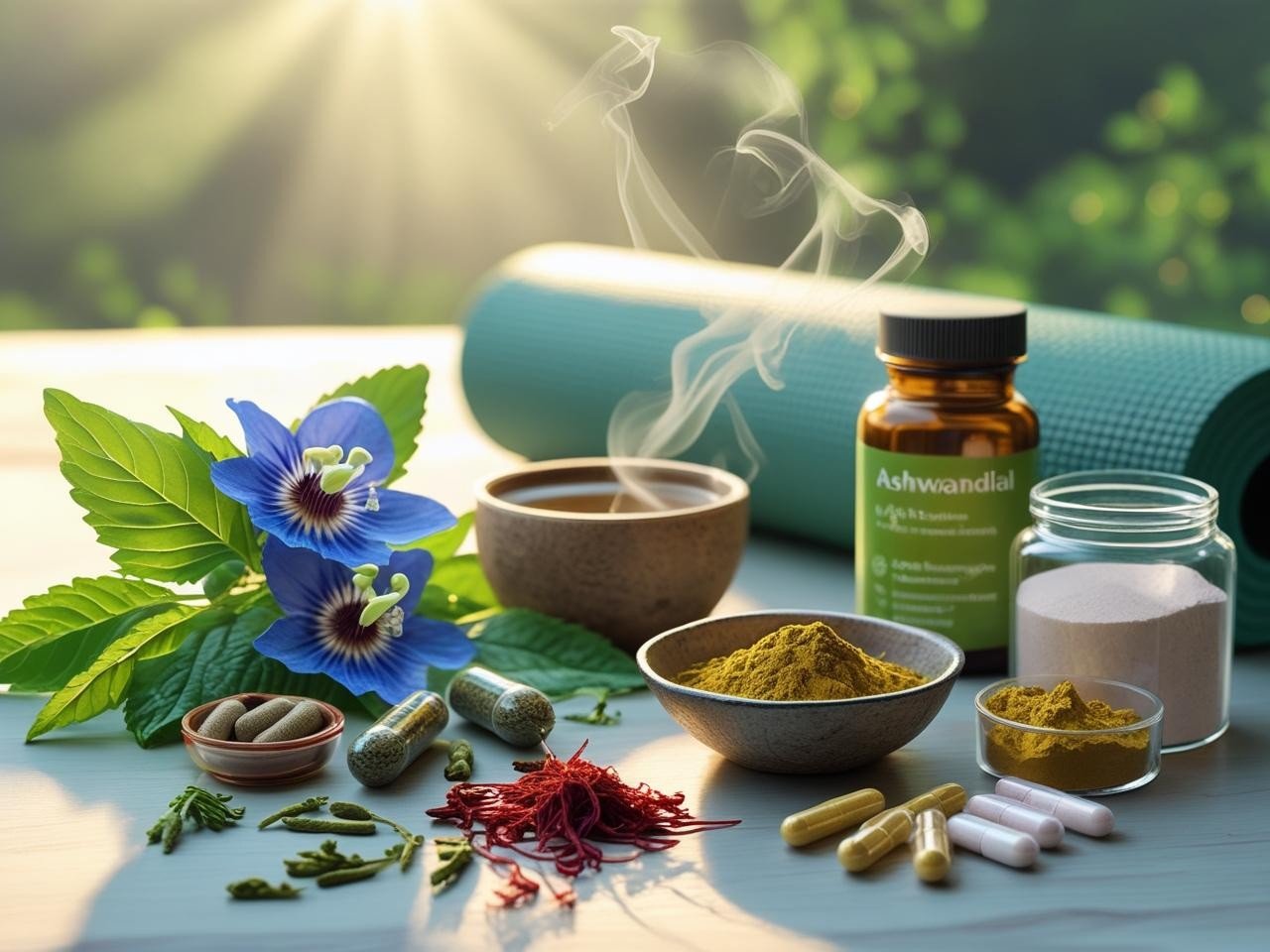
Depression isn’t just a chemical imbalance — it’s often a reflection of unmet nutritional and biochemical needs. Within the emerging field of nutritional psychiatry, specific nutrients and amino acids are used to help rebalance mood chemistry, reduce inflammation, and restore energy regulation in the brain. These interventions are designed to complement both conventional and functional care plans.
So how does nutrition actually change mood chemistry?
- Omega-3 Fatty Acids – Support neuronal membrane fluidity, improve serotonin signaling, and are linked to reduced depressive symptoms in multiple meta-analyses.
- B Vitamins – Especially B12, folate/methylfolate, and B6, which act as essential cofactors in methylation and monoamine synthesis.
- SAMe (S-adenosylmethionine) – Shown to elevate serotonin, dopamine, and norepinephrine while improving antidepressant response rates.
- Tryptophan/Tyrosine & 5-HTP – Natural serotonin and dopamine precursors that may restore low mood and sleep when combined with synergistic nutrients like B6, magnesium, and zinc.
- Magnesium & Zinc – Regulate NMDA receptors, calm neuronal excitability, and help balance stress hormones.
- N-Acetylcysteine (NAC) – Increases brain glutathione, reducing oxidative stress and improving motivation and emotional regulation.
- Probiotics – Certain probiotic strains—sometimes called psychobiotics—have been shown to influence the HPA axis and communicate directly with the brain through the vagus nerve.
These specialised strains can boost serotonin production, reduce cortisol, and support emotional balance.
Not all probiotics have these effects, so it’s important to use clinically validated strains selected by a naturopath for mood support rather than general digestive formulas.
Botanical Medicine
Herbal medicines offer gentle yet clinically significant support for mood, energy, and stress resilience. They act on the HPA axis, modulate inflammation, and enhance neurotrophic factors such as BDNF — helping restore balance to both brain and body.
Natural Herbs for Depression: Core Mood-Balancing Herbs
Many people seek out natural herbs for depression as a gentler, evidence-based option. Below are some of the most researched botanicals shown to support mood, brain chemistry, and emotional resilience.
- St John’s Wort (Hypericum perforatum) – The best-studied herbal antidepressant, shown in numerous trials to be comparable to standard antidepressants for mild-to-moderate depression, but with fewer side effects.
- Rhodiola rosea – An adaptogen that improves energy, reduces fatigue, and modulates the stress response via glucocorticoid receptor sensitivity. Trials show similar improvements to sertraline with better tolerability.
- Saffron (Crocus sativus) – Meta-analyses confirm saffron’s antidepressant efficacy equals SSRIs in mild-to-moderate MDD. Active carotenoids (crocin, crocetin) exhibit antioxidant, neuroprotective, and anti-inflammatory actions.
- Bupleurum (Bupleurum falcatum) – Found to significantly raise BDNF and NGF levels, improving neuroplasticity and mood stability in clinical trials.
- Licorice (Glycyrrhiza glabra) – Beyond its adrenal-supportive effects, licorice flavonoids (liquiritin, LF) demonstrate antidepressant activity through HPA axis regulation, BDNF activation, and reduced neuroinflammation.
- Gynostemma (Gynostemma pentaphyllum) – Rich in gypenosides that inhibit hippocampal neuroinflammation and enhance BDNF/TrkB signaling, showing antidepressant-like effects in chronic stress models.
- Ginkgo biloba – Meta-analysis data indicate improved depression scores (HAMD, BDNF, 5-HT) within 4–8 weeks; particularly useful in cognitive fog, vascular mood changes, or SSRI augmentation.
Calming Nervine Tonics
- Passionflower, Lemon Balm, Chamomile, Skullcap, Zizyphus, and Valerian – Relax the nervous system, relieve anxious rumination, and aid restorative sleep.
- Magnesium & Valerian pairing – Shown to ease muscular tension and calm overactive stress circuits.
Lifestyle & Mind-Body Interventions
Here’s where lifestyle makes a measurable difference…
- Light therapy and sleep rhythm correction for circadian-related depression.
- Exercise and movement therapy to enhance endorphins and BDNF (brain-derived neurotrophic factor).
- Meditation, breathwork, and trauma-informed mind–body therapies to calm the vagus nerve and reset stress response patterns.
- Mind-Body Medicine sessions and guided audio programs (via Mindivine.com) to reinforce emotional healing at home.
Customized Supplement Plans
Customized Supplement Plans
Every client receives a tailored formula based on test results, clinical findings, and Walsh biotype patterns.
Through compounded capsules, powders, and liquid herbal extracts, we simplify complex regimens — often combining five or more targeted nutrients into one personalised product for convenience and cost-effectiveness.
But here’s something most people don’t realise about supplement plans…
💡 Because depression is a multifactorial, multi-layered condition, there’s no single supplement or product that can address every biochemical pathway involved.
That’s why effective treatment often requires multiple practitioner-grade products, each selected to support specific mechanisms such as:
- Neurotransmitter balance
- Methylation pathways
- Inflammation and oxidative stress
- Adrenal and stress-response function
Rather than overwhelming you with dozens of bottles, we take a different approach.
🚐 Wherever possible, we consolidate your plan through compounding — reducing bottle load, improving adherence, and maintaining precision without sacrificing therapeutic depth.
This approach ensures your regimen remains targeted, practical, and sustainable over the long term.
⚠️ Professional Guidance & Compounding Notice
All compounded formulations are prepared by licensed Australian compounding pharmacies, ensuring precision, quality, and safety.
While the herbs and nutrients discussed on this page are supported by research, they should never be self-prescribed.
Nutrient and herbal therapies must be tailored to your individual biochemistry, test results, and methylation status — for example, SAMe may worsen symptoms in over-methylators, while other supplements can interfere with medications.
For safe and effective care, always work with a qualified practitioner who can interpret your results and design a protocol suited to your specific biotype and needs.
💛 And for those who feel like they’ve already tried everything — with no success — there’s hope here too.
Many of the people I work with come to me after years of trying and not finding relief. I know this journey, because I’ve walked it too.
You can read about my personal story here 💛 →
What If Nothing Has Worked? (Treatment-Resistant Depression)
Still not getting relief — no matter what you’ve tried?
If you’ve tried antidepressants, therapy, or even TMS without lasting relief, you’re not alone.
Many people with depression spend years searching for the right solution — but that does not mean your situation is hopeless.
And here’s something important to understand:
Sometimes, what feels like “treatment-resistant” isn’t resistance at all —
it’s a sign that the underlying drivers of your mood haven’t been fully uncovered yet.
That’s a crucial distinction.
At BalanSoul, we look deeper — exploring nutrient patterns, hormonal balance, inflammation, gut–brain signalling, and stress-response systems that can quietly influence how your brain functions, adapts, and heals.
💡 There’s no single road to recovery — but there are always new directions to explore.
Emerging research continues to expand options for people who haven’t found relief through conventional care. From evidence-based nutritional and functional medicine approaches, to newer medically supervised innovations such as ketamine-assisted therapy and psychedelic-assisted treatments (where legally approved), the landscape of depression care is evolving.
And that matters — because it means the story isn’t over.
Even when it feels like you’ve reached a dead end, there is often another path forward — one that hasn’t been tried yet, or hasn’t been tried in the right way for your biology.
If you’ve tried everything — and nothing has worked — don’t give up.
There is still more to discover, and you don’t have to walk this path alone.
When Others Don’t Understand Your Depression
Do people tell you to “snap out of it” — or act like you should just think positive?
If so, you’re not alone.
Many people living with depression feel unseen — not because they’re weak, but because their pain is invisible to others. When you look “fine” on the outside, it can be hard for those around you to grasp how heavy things feel on the inside.
And that misunderstanding can hurt almost as much as the depression itself.
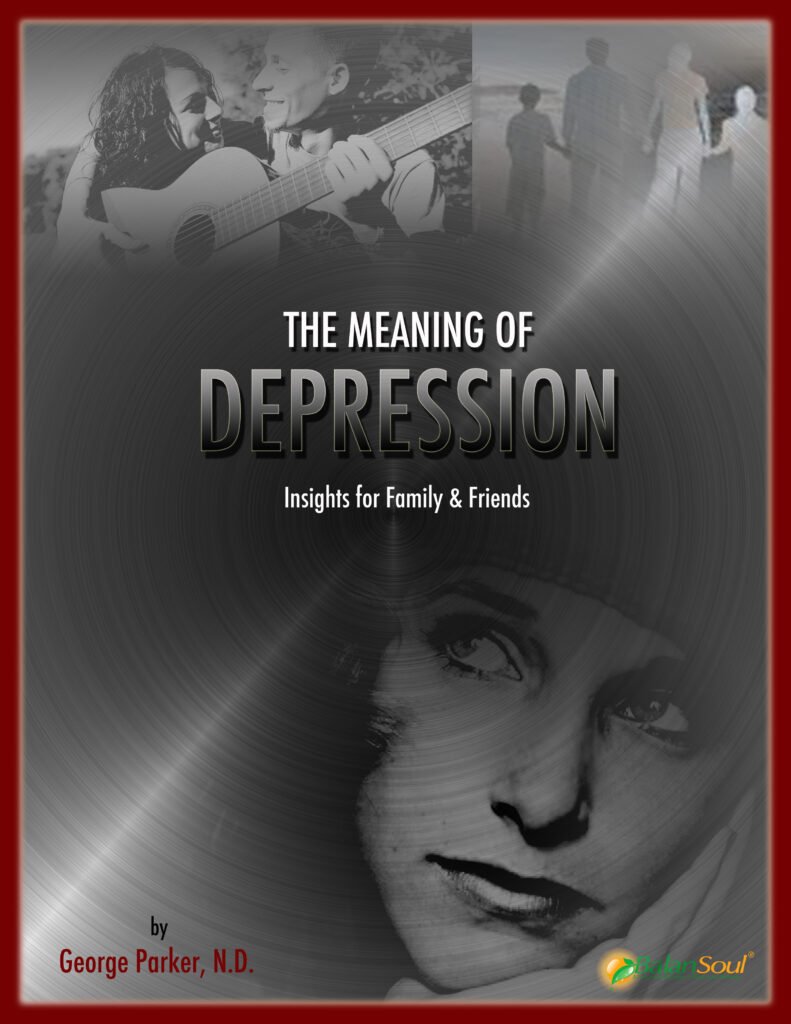
My free eBook, The Meaning of Depression: A Guide for Family & Friends, was created to help bridge that gap — so your loved ones can finally understand what you’re going through, without you having to keep explaining what can’t easily be put into words.
Mind-Body Medicine: Integrating Meditation into Depression Recovery
While our naturopathic protocols address depression at the biochemical level — using nutrients, lab testing, and functional interventions — true healing also involves the nervous system. This is where Mind-Body Medicine plays a crucial role.
Depression isn’t just a chemical imbalance or a low mood. It affects your energy, motivation, sleep, digestion, immune function, and even your capacity for hope. That’s why our approach includes tools that work on multiple levels at once — from biochemistry to breath, and from the brain to the body.
Here’s where things often shift.
One of the most powerful tools in this realm is meditation and guided imagery. These practices don’t just help you relax — they actively rewire the brain’s circuits of despair, calm an overactive stress response, and support the nervous system in moving out of survival mode. Over time, this creates the internal conditions where healing becomes possible again — not forced, but allowed.
Featured Program: Escape From Depression
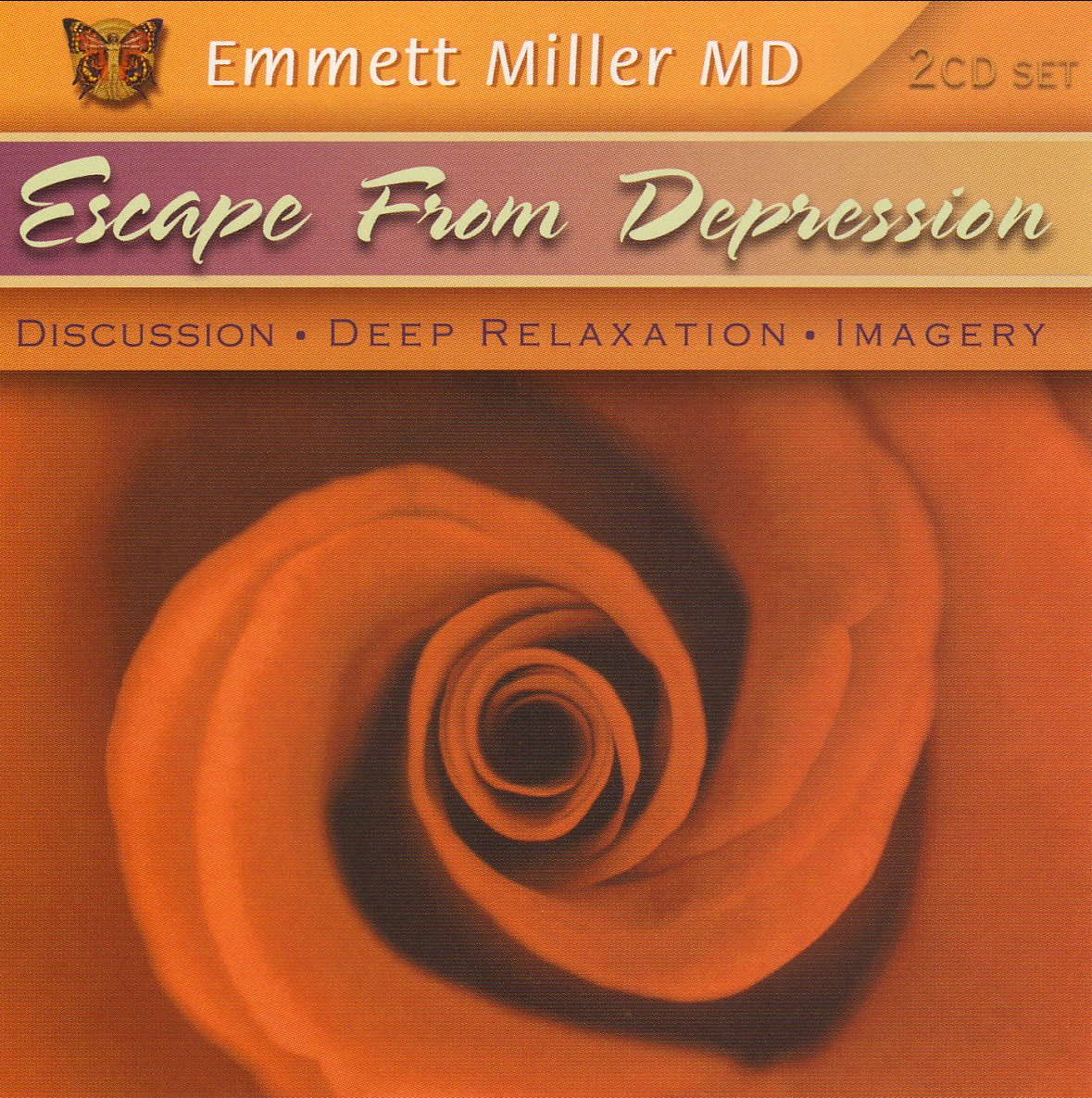
Escape From Depression is a self-healing audio program created by Dr. Emmett Miller — one of the pioneers of mind-body medicine.
This powerful MP3 blends deep relaxation, guided imagery, cognitive insight, and self-hypnosis to address the deeper roots of depression. Whether you’re experiencing emotional numbness, hopelessness, or chronic sadness, this program helps you reconnect with the part of yourself that still knows how to heal.
This MP3 is ideal for those who feel “stuck” in their depression — and want a gentle way to shift out of shutdown and into healing.
🧡 Start here with a single program — or scroll down to preview the full bundle.
🎧 Download Escape From Depression MP3 – and listen to a FREE sample
MP3 Download – Freedom from Depression, Sadness & Trauma Package

In addition to the single track, we also offer a complete MP3 bundle that supports healing from depression from multiple angles — emotional, cognitive, neurological, and somatic.
This bundle includes Dr. Miller’s most trusted programs for addressing:
- Inner child healing
- Shame and emotional trauma
- Grief and unresolved loss
- Chronic fatigue and insomnia
- Cultivating peace, purpose, and resilience
👉 Explore the Full Depression Meditation Bundle – and listen to FREE samples of the FULL bundle (simply scroll down to the free samples)
✋ Not sure where to start?
Begin with Escape From Depression as a gentle first step — or explore the full meditation package to support your recovery from multiple angles.
A Personal Note — Especially If You’re Feeling Hopeless
I want you to know this.
No matter how bad you feel right now — no matter how low, exhausted, hopeless, or broken you feel — even if part of you no longer wants to exist — you are not beyond help
I say this not as a slogan, but as someone who has lived with severe, recurrent depression for over 30 years, beginning in my early twenties.
I have been there — many times.
Not briefly. Not theoretically.
But deeply, relentlessly, and personally.
Over the past three decades, I have spent my life testing, refining, and applying the very therapies you’re reading about here — not only with clients, but on myself. Nutritional medicine. Functional testing. Supplements. Medication. Psychology. Mind–body techniques. Trial and error. Failures. Breakthroughs. Setbacks. Progress.
What I can tell you with certainty is this:
when your biochemistry changes, the way you experience the world changes too.
Many people believe their depression is purely circumstantial — that something happened, or something was lost, and that no amount of supplements or testing could possibly help. I understand that belief. And in one sense, you’re right: life experiences matter deeply.
But here’s the part that often gets missed.
When your brain chemistry is dysregulated, everything looks darker, heavier, and more hopeless than it truly is. When it begins to stabilise, perception shifts. Emotional weight lightens. Perspective widens. Coping becomes possible again.
That’s why at BalanSoul we never rely on one approach alone.
Alongside biochemical and naturopathic support, I also integrate psychological therapies and mind–body techniques — including cognitive approaches, somatic regulation, and simple tools such as tapping and thought-focused techniques. These are strategies I still use myself — sometimes even in the middle of daily life — to interrupt spirals of anger, guilt, despair, or emotional overwhelm.
Recovery doesn’t come from forcing positivity.
It comes from working inside-out — chemistry, nervous system, and meaning together.
I’ve made plenty of mistakes along the way. I’ve tried things in the wrong order. I’ve wasted time chasing symptoms instead of causes. And that’s exactly why I now believe the smartest place to begin is with proper functional testing and biochemical normalisation — so every other therapy has something stable to build upon.
If what you’ve read here resonates, please know this:
There is a way forward — even if you can’t see it yet.
And there is no reason this approach cannot work for you too.
Thank you for reading this far.
That alone tells me something in you is still reaching for relief — and that matters more than you might realise.
Why Choose BalanSoul — And What to Expect When Treating Depression
Depression doesn’t just affect mood — it can quietly erode motivation, identity, relationships, and your sense of hope for the future.
That’s why your care at BalanSoul is personal, measured, and deeply human.
We don’t rush decisions or apply one-size-fits-all protocols.
We walk alongside you patiently, strategically, and compassionately — whether you’re newly struggling, medication-sensitive, treatment-resistant, or simply exhausted from trying everything without relief.
Your Initial Consultation (90 Minutes)
Your first session is a comprehensive 90-minute consultation — not a surface-level check-in.
This time allows us to understand the full picture of your depression, including:
- Your emotional history, symptom timeline, and life context
- Patterns of low mood, fatigue, anxiety, numbness, or burnout
- Previous treatments, medications, supplements, and responses
- Stress load, sleep quality, nervous-system activation, and resilience
- Nutritional status, biochemical vulnerabilities, and sensitivities
- Your goals, concerns, and pace preferences
This depth gives us clarity — so we move forward calmly, safely, and thoughtfully, rather than reacting or guessing.
What You’ll Receive
Based on your history, biochemistry, and current stage of depression, you’ll receive:
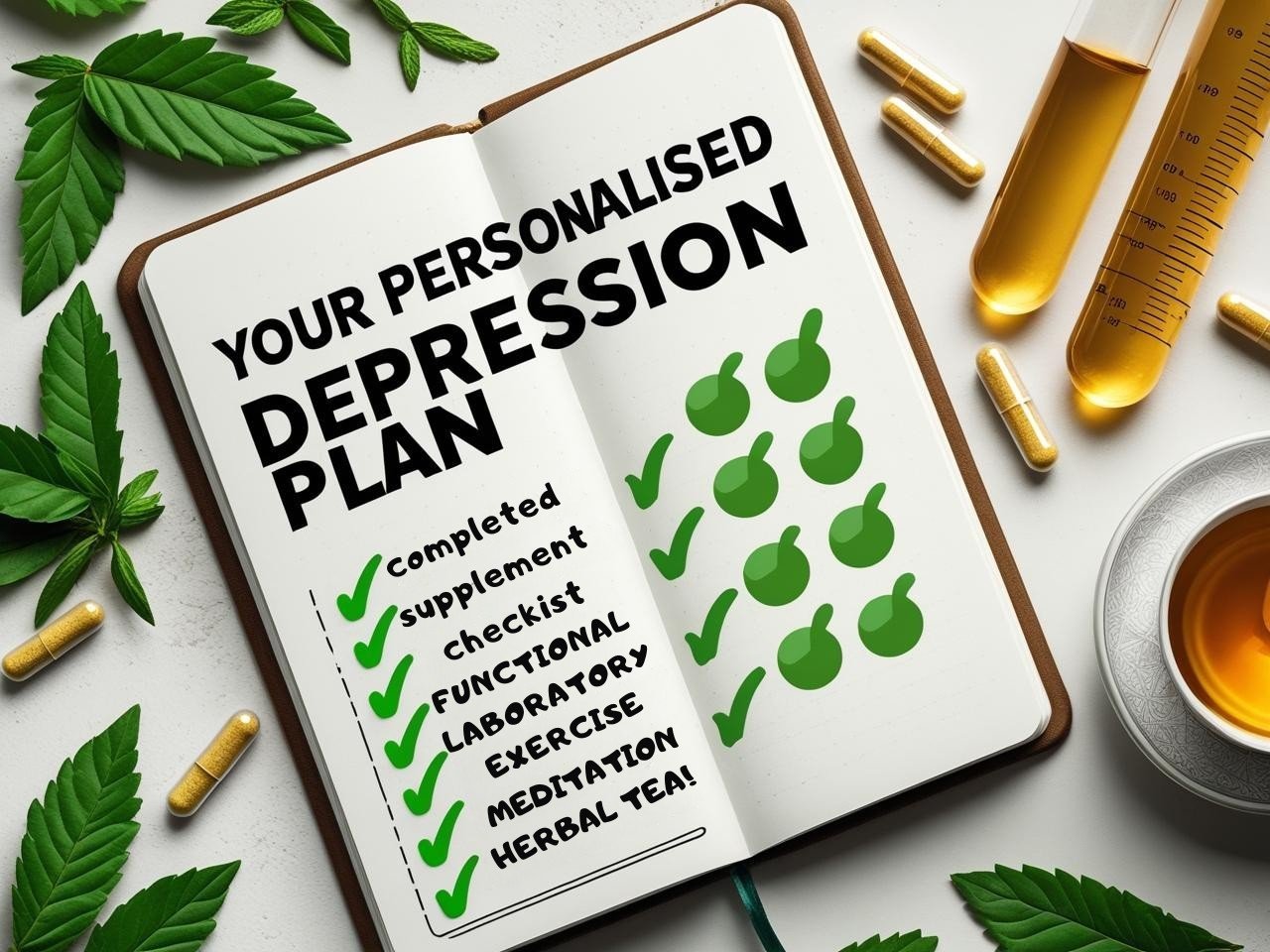
A personalised depression recovery plan, grounded in functional and biochemical assessment
Targeted nutrition and supplement guidance, aligned with Walsh biotypes and functional psychiatry principles
Clear education, so you understand what’s happening in your body — and why
Nervous-system and lifestyle support, tailored to stability, rhythm, and emotional safety
A step-by-step roadmap, not a generic protocol
Our focus is always on addressing root causes, not just suppressing symptoms.
Ongoing Support (Not One-Off Care)
Depression — and recovery — is rarely linear.
Neither is our care.
As you move through each phase, we continue to:
Adjust nutrients and strategies as your system responds
Support nervous-system regulation and emotional stability
Help distinguish temporary dips from meaningful progress
Refine your plan using real-time feedback, not assumptions
This is collaborative care, at your pace — focused on rebuilding trust in your body, not forcing change.
Self-Guided Tools to Explore

Uncover your brain chemistry profile — find out which key neurotransmitters may be out of balance.

See how our personalised, evidence-based plan targets the root cause of low mood.
Two Powerful Tools — Different Insights into Your Mood
The Mood Disorder Appraisal is a separate self-assessment tool from our Walsh Biotype Questionnaire.
While the Walsh Biotype test identifies deeper biochemical patterns like methylation status, copper overload, and pyrrole disorder —
This Mood Appraisal focuses on the relative levels of key neurotransmitters, including serotonin, dopamine, GABA, glutamate, and others.
Together, these tools provide different insights:
▸ Biotypes uncover the root biochemical imbalances behind mood disorders
▸ Neurotransmitter profiles help understand emotional regulation, motivation, and cognitive function
👉 You can take one or both, depending on your needs. Each offers a unique lens into what may be driving your symptoms.
👉 Curious if functional support could help your depression?
What’s Next?
Depression doesn’t define you — and you don’t have to face it alone. At BalanSoul, we take your symptoms seriously, and we also look deeper. Using advanced biochemical testing, root-cause investigation, and compassionate naturopathic care, we build a plan tailored to you.
Here are three simple ways to take the next step:
🔎 Explore Functional Testing
Uncover what’s going on beneath the surface — from nutrient imbalances to methylation or pyrrole disorder.
📞 Book a Free Discovery Call
Let’s talk about what’s going on and whether this kind of approach is right for you. No pressure — just a friendly chat.
📘 Learn About Biotype-Based Depression Support
Discover how nutritional psychiatry is helping thousands of people feel like themselves again.
FAQ
Do I need a formal diagnosis?
Not at all. We support anyone experiencing emotional challenges — diagnosis or not.
Can I stay on medication?
Yes. We work alongside your existing plan, and we never suggest stopping medication without your prescriber.
Is this safe for teenagers or perinatal clients?
Yes — all plans are tailored to your life stage, including postpartum, teens, or menopause.
How can I help someone with depression?
Depression can be isolating—and those struggling often don’t know how to ask for help. If you’re supporting someone, the first step is listening without judgment. Encourage them to seek professional support and consider sharing this page or my free eBook with them. If they’re resistant, you can still plant seeds by being consistently gentle, patient, and present.
Can depression cause physical pain?
Yes — many people with depression feel it in their bodies: tension, headaches, digestive issues, or fatigue.
Why don’t antidepressants work for me?
Medication can help, but it doesn’t address the root causes. Nutrient imbalances, inflammation, or trauma may still be driving symptoms.
Will I ever get over this?
Yes. While recovery rarely happens overnight, healing is absolutely possible. Depression isn’t a fixed identity — it’s a signal that something deeper needs attention. When we address the root causes, balance nutrient chemistry, and rebuild the body’s natural rhythms, most people not only improve — they rediscover parts of themselves they thought were gone.
What’s the first step toward feeling better
The first step is understanding what’s driving your depression. For some, it’s biochemical; for others, it’s stress, trauma, or lifestyle. At BalanSoul, we start with a detailed consultation and, where needed, functional testing to reveal your unique patterns. From there, we create a step-by-step plan — gentle, evidence-based, and deeply personal — to help you move toward clarity, stability, and genuine joy again.
🧭 Still not sure where to begin? Book a free call or start with your personalised depression biotype questionnaire — we’ll help guide the next steps.