
Natural Therapies for Autism
A Personal Note from George
I want to start this page differently than most.
If you’re a parent who has spent years trying to understand your child —
or an adult who has only recently begun to wonder whether autism explains a lifetime of feeling different —
you’ve probably already searched for natural therapies for autism, and found no shortage of generic advice.
I don’t think you need more of that.
I think you need someone who has actually spent years doing this work, telling you honestly what that’s taught me.
Done well, natural therapies for autism are about easing the specific things that make daily life harder — sensory overwhelm, emotional dysregulation, or communication struggles —
not about changing who you are.
Whether you’re a parent, a carer, or an adult only recently asking yourself, quietly, do I have autism —
this is what I want you to know from the outset:
autism can look very different from one person to the next.
I’ve never met two autistic people who needed exactly the same thing.
At BalanSoul, we look at what might be adding extra strain — things like gut health, nutrient levels, and stress responses —
and build support around you specifically, not a generic plan.
What Is Autism? A Functional Perspective
If you’ve found yourself asking what is autism spectrum disorder in the first place, the short answer is this:
it’s a neurodevelopmental difference in how a person communicates, processes sensory information, and experiences the world.
Autism isn’t one thing.
It’s a complex neurodevelopmental difference, rooted in genetics and early brain development — and things like nervous-system sensitivity, gut health, and nutrient status can also affect day-to-day wellbeing and how easily someone copes with a demanding world.
Traits can include differences in communication, sensory sensitivities, repetitive behaviours, intense interests, and periods of deep focus.
Many people with ADHD or autism share overlapping traits —
and sometimes both conditions coexist.
Is autism an intellectual disability?
No — autism and intellectual disability are different, though they can occur together.
Many autistic people have average or above-average intelligence.
Why does this matter?
Because getting a diagnosis is often just the beginning, not the end, of understanding what someone actually needs.
That’s what we spend time on together.
Root Causes & Contributing Factors

We recognise that autism is not caused by a single factor. Instead, deeper influences may affect nervous-system development, behaviour, and sensory processing.
It’s worth pausing on what this section is — and isn’t — about. None of what follows is about the ‘cause’ of autism as an identity; autism itself isn’t something to explain away. What follows are the factors that can shape how intensely certain traits are experienced, and what can make co-occurring difficulties — sensory overwhelm, sleep, digestion, mood — easier or harder to manage.
Here’s what research — and clinical experience — suggests:
Biochemical Imbalances
This category is about the brain and body’s internal chemistry — the everyday processes that regulate mood, energy, sleep, and how sensory information gets filtered and processed. When these pathways are running smoothly, they work quietly in the background. When they’re not, the downstream effects can show up as exactly the kind of struggles many families come to us with: harder sleep, bigger emotional swings, or a nervous system that tips into overwhelm more easily.
- Methylation issues (e.g., MTHFR, folate/B12)
- Sulfate deficiency or poor sulfation
- Glutamate excess, excitatory neurotransmitters
- Neuroinflammation and oxidative stress
Why this matters:
Methylation is one of the body’s core ‘switching’ processes — it helps activate and deactivate genes, build neurotransmitters, and clear waste products from the brain. When methylation is running low, it can make emotional regulation harder and leave someone more reactive to stress than they’d otherwise be.
Sulfation works alongside methylation as one of the body’s main detox pathways, and it also plays a quieter role in protecting the gut lining and nervous system. Poor sulfation has been linked to increased sensitivity to certain foods and chemicals — which can show up as stronger reactions to phenols or salicylates than would otherwise be expected.
Glutamate is the brain’s primary excitatory signal — the ‘go’ chemical that drives alertness and activity. In excess, and without enough calming GABA to balance it, glutamate can leave the nervous system running hot, which may contribute to sensory intensity, difficulty winding down at bedtime, or the ‘fight or flight’ reactivity some autistic people describe.
Oxidative stress and neuroinflammation describe a kind of low-grade wear-and-tear on brain tissue, often driven by the very imbalances above. Left unaddressed, this can compound fatigue and make it harder for the nervous system to recover after a demanding day.
Individually, each of these pathways affects detoxification, neurotransmitter balance, emotional regulation, and sensory processing. Together, they help explain why sleep, mood, and sensory experience so often shift together rather than one at a time.
Biochemistry is only part of the picture, though — much of what happens in the brain is shaped just as strongly by what’s happening in the gut.
Environmental & Gut Triggers
The gut and the brain are in constant conversation with each other — scientists sometimes call this the gut-brain axis. Digestive irritation, food sensitivities, and an imbalanced gut microbiome don’t stay contained to digestion; they can influence mood, sensory processing, sleep, and behaviour well beyond the gut itself.
- Food sensitivities (gluten, dairy, soy)
- Gut dysbiosis, leaky gut, Clostridia overgrowth
- Pesticide or glyphosate exposure
- Artificial colours, additives, preservatives
👉 Food sensitivities can quietly drive inflammation that shows up far from the digestive tract — in mood, attention, or sleep. Gut dysbiosis and Clostridia overgrowth (an overgrowth of certain gut bacteria) have both been associated with behavioural changes, including irritability and aggression, likely because these bacteria produce metabolic byproducts that can affect brain chemistry. Intestinal permeability — sometimes called ‘leaky gut’ — can allow undigested food particles and bacterial byproducts to reach the bloodstream and trigger an immune response, adding to the inflammatory load. And artificial colours, additives, and preservatives, along with pesticide or glyphosate exposure, add further pressure on top of all of this — not necessarily as standalone causes, but as one more input an already-sensitive system has to process.
Research continues to show strong links between gut health and neurodevelopment — which is exactly why gut health is one of the first places we look.
None of this happens in a vacuum, either — some people’s systems are simply more reactive to these pressures than others, and that’s often where genetics comes in.
Genetic & Epigenetic Vulnerabilities
Genes don’t write the whole story, but they do influence how efficiently the body runs certain processes — including several of the very pathways described above. Understanding someone’s genetic and epigenetic tendencies isn’t about predicting outcomes; it’s about knowing which systems might need a bit more support than someone else’s.
- COMT, DAO, MTHFR SNPs affecting neurotransmitter balance
- Histamine intolerance
- Cerebral folate receptor autoantibodies
COMT variations affect how quickly the body clears certain neurotransmitters, which can influence stress tolerance and how someone responds to an overstimulating environment. DAO and MTHFR variations affect histamine breakdown and methylation respectively — relevant to the pathways already described above, and often part of why the same nutrient dose can help one person and do very little for another. Histamine intolerance on its own can contribute to sleep disruption, skin reactions, and mood changes that are easy to mistake for something else entirely. And cerebral folate receptor autoantibodies — while less commonly tested for — can interfere with how folate reaches the brain even when blood folate levels look normal, which is one reason some people don’t respond to standard folate supplementation the way we’d expect.
These don’t determine destiny, and they don’t define autism itself — but they can meaningfully influence reactivity, stress tolerance, and nutrient requirements, which is exactly why we test rather than assume.
And then there’s everything layered on top of all of this — the everyday rhythms of sleep, food, and stress that can either ease this load or add to it.
Lifestyle Contributors
This is the category families can often influence most directly — not by trying harder, but by understanding which everyday patterns might be quietly adding strain to a nervous system that’s already working hard to keep up.
- Restricted or highly selective eating, often paired with sugar-heavy convenience foods
- Poor sleep quality or a disrupted circadian rhythm
- Chronic stress and ongoing sensory overload
- Limited opportunity for genuine downtime or recovery
- Disrupted routines, or environments that don’t allow enough movement or predictability
- Early or repeated antibiotic/medication exposure
None of these factors act alone, and none of them are about blame — toward parents, caregivers, or autistic individuals themselves. But layered together, they can raise the overall load on a nervous system that may already be working harder than most to process the world: showing up as harder sleep, more frequent meltdowns or shutdowns, lower resilience to change, or less capacity left over for attention and connection by the end of the day.
And here’s an important piece many families ask…
None of this is about finding fault — not with genetics, not with parenting, not with the autistic person themselves. It’s about understanding what may be adding unnecessary strain, so that support can focus on the areas most likely to actually ease it. And that’s exactly the shift we make next: from understanding what’s happening, to recognising how it shows up day to day.
Common Traits of Autism
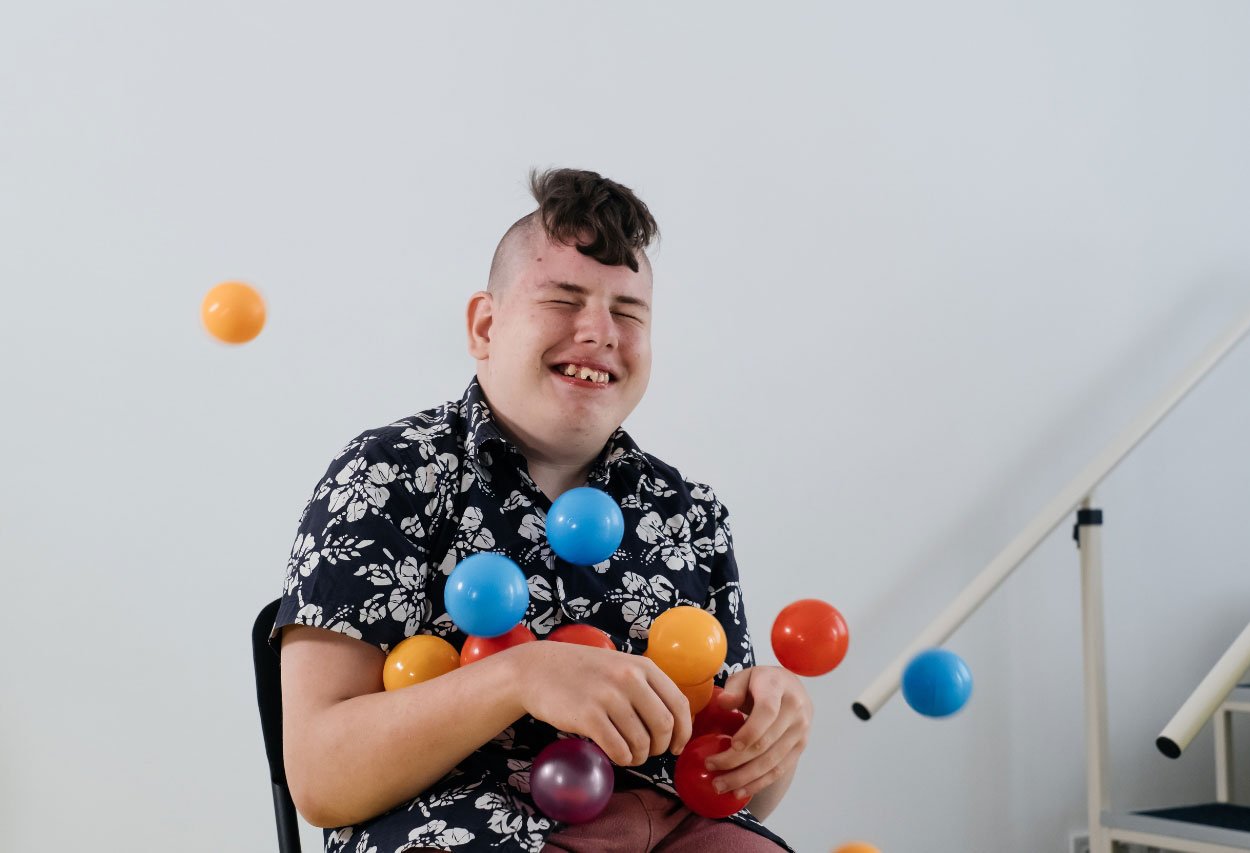
While every person is different, here are some of the broader autism traits we may observe — many of which reflect natural variations in neurodivergent expression:
- Sensory uniqueness — heightened sensitivity or fascination with textures, sounds, or visuals
- Structured preferences — strong desire for routine or predictability
- Communication differences — variations in speech, tone, or expression (sometimes described by others as an “autism accent” — distinctive patterns of rhythm, pitch, or phrasing)
- Repetitive behaviours — organising, patterning, or focusing deeply
- Deep focus — immersive interest in specific topics or themes
- Autism burnout — exhaustion after masking or navigating overwhelming environments
Signs & Symptoms of Autism

Autism presents differently for every person — but when support is needed, these traits may become more noticeable.
And here’s where things often get misunderstood…
Social & Communication:
- Limited eye contact or facial engagement (sometimes searched as “autism eyes” — though it’s really about gaze and engagement patterns, not appearance)
- Difficulty interpreting non-verbal cues (facial expression, tone, body language)
- Echolalia or scripting (repeating phrases)
- Challenges with back-and-forth conversation or social reciprocity
Behavioral Patterns:
- Distress with changes in routine
- Repetitive movements (e.g., rocking, hand flapping)
- Narrow, intense interests that may seem all-consuming
Sensory Reactions:
- Strong reactions to sound, light, texture, or taste
- Sensory-seeking behaviors (e.g., spinning, pressure, movement)
- Sensory avoidance when environments feel “too much”
Emotional Regulation:
- Meltdowns or shutdowns when overwhelmed
- Heightened anxiety in unpredictable settings
- Intense emotional responses that feel “out of scale”
Physical / Developmental Clues:
- Sleep challenges or night waking
- Digestive issues or dietary limitations (picky eating)
- Motor delays or coordination differences (sometimes alongside joint hypermobility — autism hypermobility is a recognised co-occurring pattern for some autistic people)
It’s worth noting that many of these signs can look different in adults than they do in children. Adult autism signs are often quieter and harder to spot — years of learned coping and masking can smooth meltdowns into exhaustion, and intense interests into simply being “the quiet one who really knows their subject.” Symptoms of autism in adults are frequently misread as social anxiety, perfectionism, or being “highly sensitive,” which is part of why so many autistic adults are only recognised later in life.
How It Feels To Live With Autism
Sometimes families share words like:
“It’s like the world is too loud, too bright, too fast.”
“They want to connect, but something gets in the way.”
Many autistic children and adults experience exhaustion from trying to fit in, or confusion about their intense reactions.
And here’s something important: meltdowns and shutdowns aren’t bad behavior — they’re communication.
Parents also describe experiences like:
“We finally slept through the night after years of restlessness.”
“We thought his lack of energy was just ‘part of autism’ — but carnitine changed everything.”
What Clients Often Say
These reflections come from parents and carers most often — but we hear versions of the same relief from autistic adults themselves, once they finally get answers that fit their own experience.
“I didn’t realise gut problems could affect his meltdowns.”
“No one ever mentioned B6 or zinc before.”
“We finally slept through the night after two years of chaos.”
These moments of clarity often happen when families discover the biochemical clues that were hiding underneath the behaviors.
Functional Testing & Investigation

At BalanSoul, we go beyond diagnostic labels to uncover the biological factors that can contribute to co-occurring symptoms and individual health needs in autistic people. Much of this approach draws on the Walsh Protocol, developed from over 30,000 cases across a range of conditions, which shows that biochemistry-driven symptoms often follow specific, testable patterns in brain chemistry rather than being random or purely behavioural.
As one illustration of this broader principle: Dr. Walsh’s clinical database found that more than 60% of individuals with schizophrenia — a very different condition, but one where the same biochemical testing approach applies — exhibited significant methylation imbalances that were often missed in standard care. It’s the underlying principle that matters here, not the diagnosis: biochemistry-driven symptoms follow testable patterns, whichever condition they show up in.
These patterns aren’t just theoretical. They affect how someone responds to medications, folate, or even basic nutrients like zinc or B6 — and often explain why conventional treatments fall short.
That same biotype-based thinking is exactly what we bring back to autism.
Autism isn’t caused by one single factor — and that’s why we don’t use a one-size-fits-all test. Functional medicine gives us the tools to investigate the root causes of traits like mood swings, digestive issues, hyperactivity, or sleep disruption. Whether we’re assessing copper levels, gut pathogens, or methylation imbalances, each test helps us build a clearer picture of what’s happening behind the behaviors — and how to support the body and brain from the inside out. Here are a few tests we may utilize…
- Zinc and copper levels (RBC preferred)
- Histamine/methylation panels
- Pyrrole (HPL) test
- Organic acids test (OAT)
- IgG/IgE food sensitivities
- Vitamin D / iron / folate receptor antibodies
- Stool analysis (GI-MAP, Genova)
Testing helps clarify the difference between autism and ADHD, and shows how to personalize nutritional and therapeutic care.
Biochemical Clues in Autism: What Symptoms May Be Telling Us
Sometimes what looks like “just behavior” — picky eating, meltdowns, aggression — is actually the body asking for help.
Functional testing allows us to decode these clues and uncover nutrient, gut, or metabolic imbalances that may be contributing to your child’s (or your own) experience of autism.
And here’s where things get fascinating…
Many everyday symptoms correspond to specific, testable biochemical patterns.
A quick clarification before the table: some of these are simply autistic traits worth understanding on their own terms (like intense interests or a high pain tolerance), while others are genuine sources of distress worth easing (like aggression or painful digestive symptoms). The table isn’t suggesting every trait needs a biochemical ‘fix’ — only that, where something is genuinely causing distress, there’s often a testable reason why.
| 🧩 Clue / Symptom | 🔬 Possible Biochemical Link |
| Picky eating, night waking | Zinc/B6 deficiency |
| High pain tolerance | Endorphin imbalance |
| Gut issues + aggression | Clostridia overgrowth |
| Language regression | Cerebral folate autoimmunity |
| Meltdowns after food dye or salicylates | Phenol/salicylate sensitivity |
| Histamine-like reactions after meals | Histamine intolerance / DAO SNPs |
| Obsessive play or vocal scripting | Elevated glutamate / methylation imbalance |
| Pale skin + fatigue | Iron deficiency / low mitochondrial function |
| Frequent infections or poor wound healing | Low zinc + chronic oxidative stress |
👉 These clues don’t diagnose autism — but they can uncover why certain traits feel harder, and where targeted support may help.
Natural & Integrative Support Options

Children and adults on the autism spectrum often respond best to care plans that honour both the biology and the nervous system.
That’s why our approach blends nutritional psychiatry, botanical medicine, lifestyle therapies, and nervous-system regulation — all tailored to your child’s unique biochemical needs.
This is also where the functional medicine philosophy really shows itself: instead of matching a diagnosis to a standard protocol, we start with your (or your child’s) specific biochemistry, history, and sensitivities, and build outward from there. Two autistic people can have very different underlying pictures — one might need support for methylation and detoxification, another for gut-driven inflammation, another for sensory-system regulation — which is exactly why the sections below are offered as a toolkit to draw from, not a fixed sequence everyone follows.
And here’s where things become especially meaningful…
When the right supports are combined, families often notice better sleep, calmer behavior, clearer communication, and improved emotional regulation.
Nutritional Psychiatry
Our evidence-informed nutrient plans target biochemical patterns commonly seen in autism, including zinc deficiency, magnesium depletion, oxidative stress, and methylation imbalances.
Nutrition sits right at the intersection of the biochemistry described earlier in this page and the way someone actually experiences their day. Zinc, for example, isn’t just a general ‘immune vitamin’ — it’s a cofactor the brain needs to build and balance neurotransmitters, and low zinc has consistently been linked to some of the sensory and behavioural patterns we see most often here. Magnesium and B6 work alongside it to calm excitatory nervous-system activity — relevant given the glutamate excess described in Root Causes — while omega-3s support the structural health of neurons themselves, which can influence everything from mood stability to sensory processing.
- Personalized nutrient plans: zinc, magnesium, carnitine, B6, omega-3s
- Methylation and detox pathway support
The methylation and detox support in particular connects directly back to the MTHFR and folate pathways discussed in Root Causes — when this pathway is under-functioning, it can affect not just detoxification, but how well the brain manages neurotransmitters and inflammation more broadly.
💡 Why it matters: Even small nutrient corrections can support neurotransmission, sensory processing, and daily resilience.
Nutrients rebuild the raw materials the brain and body need — but sometimes the nervous system also needs something gentler, working alongside that foundation rather than replacing it.
Botanical Medicine
Gentle herbal medicines can help soothe both the body and the mind.
Where pharmaceutical approaches often aim to switch a symptom off, herbal medicine tends to work more gradually — nudging the nervous system toward calm rather than forcing it there. Herbs like chamomile and passionflower, for instance, interact gently with the same calming (GABA) pathways that are often under-supported in autism, which is part of why they can ease sensory overload or anxiety without the flattening effect some families worry about with stronger interventions.
Herbs that support digestion, calm the nervous system, ease sensory overload, or reduce inflammatory stress
Examples may include chamomile, lemon balm, passionflower, or GI-soothing botanicals — always personalised case-by-case.
And because so much of the nervous system’s calm actually starts in the gut, the next layer of support usually looks even further upstream — in digestion itself.
Therapeutic Diets
Because gut function and behavior are closely connected in many autistic individuals, dietary interventions are often transformative.
This connection isn’t just anecdotal — the gut and the brain share a dense communication network (the gut-brain axis), and inflammation or irritation in the digestive system can influence mood, sensory processing, and behaviour well beyond the gut itself. For some autistic individuals, certain proteins or food chemicals appear to add to that irritation; removing them isn’t about restriction for its own sake — it’s about testing whether easing that particular load changes how someone feels day to day.
- GFCFSF diets (gluten-free, casein-free, soy-free) when indicated
- Low-salicylate or low-glutamate plans (used case-by-case, especially where behavioural activation or histamine-like reactions occur)
This is also the same phenol/salicylate sensitivity flagged earlier in the biochemical clues table — which is exactly why we test rather than assume, and adjust the diet only as far as it’s actually helping.
💡 These diets aren’t about restriction — they’re about reducing neurological stress and supporting calmer, steadier functioning.
Diet and nutrients work on the body’s internal chemistry — but healing also has to reach the nervous system’s felt sense of safety, moment to moment.
Nervous System Regulation
Autistic nervous systems often oscillate between hyper-vigilance and exhaustion. These supports help restore balance from the inside out.
This oscillation isn’t a character trait — it’s a nervous system that has often had to work harder than most to filter, interpret, and respond to a world that doesn’t always feel predictable. Polyvagal-informed approaches work directly with this: they help the body recognise, physiologically and not just consciously, that the environment right now is safe enough to soften its guard. That’s a different goal from suppressing a reaction — it’s building the internal conditions where fewer reactions need to happen in the first place.
- Epsom salt baths, magnesium soaks — another entry point for the same magnesium support described earlier, absorbed differently for those who benefit from it
- Gut restoration with probiotics and enzymes (continuing the gut-brain work described above)
- Polyvagal and somatic tools for emotional regulation
Think of these tools as giving the nervous system a softer landing — a way to shift from “survival mode” into safety and connection.
None of these four areas work in isolation — nutrients rebuild the raw materials, botanicals and diet reduce the load the nervous system is carrying, and nervous-system regulation helps the whole system remember what safety feels like. Which combination matters, and in what order, is exactly what your first consultation is there to work out.
“We co-create a care plan as unique as your child — with natural and functional strategies backed by science.”
What to Expect From Working With Us
We know how important it is to feel heard, supported, and understood — especially when you’ve spent years searching for answers.
That’s why we begin with listening.
Your First Consultation (90 minutes)
Here’s what your initial session includes:
- Full history & intake — understanding patterns, behaviours, regressions, sensory triggers, past treatments, and family context
- Optional functional lab testing — offered when appropriate to investigate methylation, nutrient balance, gut health, oxidative stress, or biotype patterns
- Nutrition and lifestyle review
- Collaborative goal setting — ensuring recommendations match your child’s (or your) needs, pace, and capacity
👉 But here’s the part most families tell us they appreciate most:
- Nothing is rushed. Nothing overlooked.
You are given space to explain your concerns — and finally feel understood.

FAQ
Is autism an intellectual disability?
Not always — many autistic individuals have average or gifted intelligence.
Can we still work with you if my child is on medication?
Yes. We support both integrative and conventional approaches — questions about medication and autism come up often, and we work alongside your existing prescriber rather than asking you to choose one path over the other.
Will autism get worse with age?
Not usually, but unmet needs or poor support can increase stress responses over time.
Will autism go away?
No — autism is generally understood as a lifelong, neurodevelopmental way of experiencing and processing the world, not a temporary condition that resolves. What often changes over time is how much support someone needs, and how well their environment and health are supporting them — not whether they’re autistic.
Can autism develop later in life?
Autism itself is present from early development, even when it isn’t recognised or diagnosed until adulthood. What can feel like autism “developing later” is usually recognition catching up — often after years of masking, misdiagnosis, or simply not having the right information available.
What are the types of autism?
Today, clinicians no longer divide autism into separate types like Asperger’s or PDD-NOS — since 2013, these were consolidated into one umbrella diagnosis, Autism Spectrum Disorder, in recognition that autism shows up differently in every person rather than fitting into fixed categories. You may still see terms like “severe autism” or “high/low functioning” used informally, but most clinicians now prefer to talk about someone’s individual support needs, which can vary a great deal — and can change over time — rather than placing autism itself on a single scale of severity.
Is this suitable for adults with autism?
Absolutely — we personalize for all ages.