
Natural Remedies for ADHD
Natural Remedies for ADHD can offer powerful support when you feel like your brain just won’t switch off…
A Functional Medicine Approach to Attention & Focus
Natural Remedies for ADHD can offer powerful support when you feel like your brain just won’t switch off…
Maybe your thoughts jump too quickly.
Maybe your focus slips away before you even realise it.
Or maybe you’ve tried helpful strategies —
but nothing seems to “stick.”
If any of that sounds familiar, you’ve probably also felt the quiet shame of wondering why this seems so much harder for you than it looks for everyone else.
I want you to know this early:
None of it means you haven’t tried hard enough.
This is where natural remedies for ADHD come in —
not by asking you to try harder, but by looking at what else might be adding to the load your brain is already carrying.
Some people know this approach as integrative ADHD care or functional medicine for ADHD —
different names for the same underlying idea:
working with your biology instead of around it.
This is about understanding what’s contributing to how ADHD shows up for you.
And this is where most explanations stop short:
👉 Natural remedies for ADHD, chosen thoughtfully for the individual, may help support attention, emotional regulation, sleep, or other areas that are making day-to-day life harder.
At BalanSoul, we take a functional medicine approach —
looking at the biochemical factors that may be contributing to attention challenges, alongside your diagnosis, not instead of it.
Instead of a one-size-fits-all plan, we look at the individual factors that might be adding to the load —
nutrition, biochemistry, lifestyle, and genetics among them —
because what helps one person can look completely different from what helps another.
These deeper insights help us build a treatment strategy around who you actually are —
whether that’s a child still working out how their brain fits the world,
or an adult who’s spent years quietly wondering the same thing.
Why ADHD Runs Deeper Than You Think
Because ADHD is rarely “just a concentration problem.”
 It’s often a reflection of measurable imbalances that can be corrected.
There can also be factors worth looking at because they may add to the difficulties you’re already dealing with:
🔎 Nutrient deficiencies, blood-sugar instability, sleep disruption, chronic stress, and some dietary or environmental factors may affect attention, energy, or emotional regulation in some people. I’ve sat with parents who worried their child would simply struggle like this forever, and watched real relief when testing gave us specific, practical things we could actually work on.
This gives us more information to work with, so your plan can be built around your history, your current difficulties, and anything relevant that assessment or testing brings to light.
A Different Way of Understanding ADHD
Instead of asking:
“How do we manage the symptoms?”
We ask:
- Which nutrients might be low?
- Which neurotransmitter systems might need support?
- Which genetic or biochemical patterns are worth exploring?
- Which stressors or environmental exposures might be adding pressure?
When you start looking at ADHD through this lens… the story you’ve been telling yourself about who you are starts to change.
At BalanSoul, natural remedies for ADHD bring together targeted nutrients and amino acids, gut-brain strategies and inflammation reduction, lifestyle stabilisation, sleep optimisation, and mind-body tools — without relying solely on medication, and safely alongside it when needed.
What Is ADHD Really? A Functional Medicine Perspective

ADHD isn’t simply a disorder of attention —
and whatever you’ve been told, or told yourself, it was never a character flaw either.
ADHD itself is a neurodevelopmental condition, shaped strongly by genetics and brain development.
But how it’s experienced day to day can also be influenced by things like nutrient status, gut-brain health, stress, and environmental triggers —
and it’s rarely just one of these alone.
This is the part that rarely makes it into conversations with families:
ADHD isn’t a character flaw or a discipline problem.
So what does that actually mean?
Instead of asking “How do we stop the behaviour?”, functional medicine asks bigger, more insightful questions:
- Which nutrients might be depleted? (e.g., zinc, magnesium, B vitamins)
- Which neurotransmitter systems might need support? (often dopamine & norepinephrine)
- Could inflammation or overstimulation be playing a role?
- Are there methylation or genetic factors worth exploring?
- Could gut health be influencing behaviour or emotional regulation?
And once we understand these patterns…
we can build a plan that responds to more than just the symptoms —
it responds to what’s contributing to them too.
Where autism and ADHD overlap — and why that matters
Some individuals with ADHD also show overlapping traits with Autism Spectrum Disorder (ASD) —
such as sensory sensitivities, emotional intensity, or deep focus on specific interests.
This doesn’t mean both conditions are present,
but it does mean:
☯ the overlap is worth exploring properly, with the right diagnostic support.
Functional and biochemical assessment can help build a more personalised picture alongside proper diagnostic evaluation, not instead of it.
If you’ve ever wondered which one actually explains you, or your child, that uncertainty makes complete sense —
the two can look remarkably alike from the outside.
Is ADHD “just in the head”? Not at all.
It can look like forgetting why you walked into a room, snapping over something small, or staring at a task for twenty minutes without starting it —
and moments like that are usually signs of executive-function difficulty, not evidence that you’re lazy or don’t care.
Some factors can make attention, executive functioning, or emotional regulation harder for a person who already has ADHD, including:
● Nutrient deficiencies, where they are present
● Blood-sugar instability
● Poor or disrupted sleep
● Chronic stress and physiological strain
● Certain dietary or environmental factors in susceptible individuals
So instead of thinking:
“Something is wrong with me.”
we help clients understand the truth:
…Your brain isn’t failing you.
And a lot of what makes this feel so hard can genuinely be supported.
Why this broader view matters
When ADHD is approached only through behaviour, some of what’s actually contributing can get missed.
Understanding relevant biological and lifestyle factors alongside ADHD can give us additional areas to work on, such as:
● Correcting an identified nutrient deficiency
● Improving sleep and daily rhythms
● Supporting steadier energy and blood-sugar regulation
● Reducing avoidable physiological stressors
● Addressing other factors that may be adding to difficulties with attention or emotional regulation
Because alongside managing symptoms,
we’re also looking at what’s contributing to them.
ADHD Symptoms in Adults vs Children
ADHD doesn’t always look like the stereotypes — and it certainly doesn’t look the same at every age.
Many people assume ADHD is only a childhood condition, but here’s the truth most people miss…
👉 ADHD symptoms evolve with age — and adults often go decades unnoticed or misdiagnosed.
Understanding how ADHD presents at each life stage helps us identify the biochemical patterns beneath the behaviour — and choose more effective, personalised supports.
The Three Recognised ADHD Presentations
Before looking at how ADHD shows up at different ages, it helps to understand that ADHD itself isn’t just one presentation. Clinically, it’s recognised in three forms:
- Predominantly inattentive presentation — difficulty sustaining attention, organising tasks, or following through, often without visible hyperactivity
- Predominantly hyperactive-impulsive presentation — restlessness, impulsivity, and difficulty waiting or sitting still
- Combined presentation — a mix of both inattentive and hyperactive-impulsive traits
Many people picture only the hyperactive-impulsive presentation when they think of ADHD — which is part of why the inattentive presentation is so often missed, especially in quieter children and adults who are never visibly disruptive. Presentation can also shift over time: a hyperactive child may grow into a more inattentive-presenting adult as outward hyperactivity settles into inner restlessness, even though the underlying attention and regulation challenges remain.
With that in mind, here’s how these presentations tend to actually show up, at each stage of life:
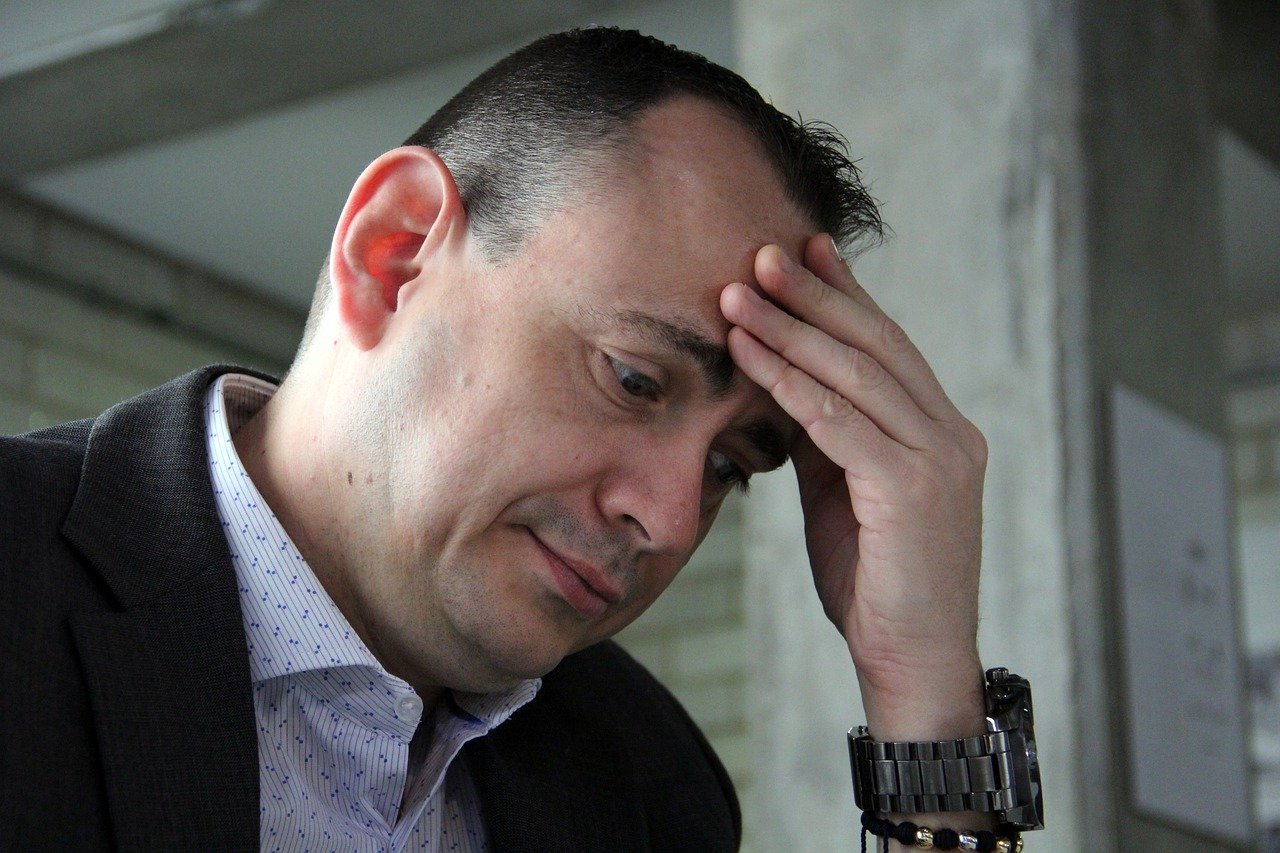
ADHD in Adults: What It Really Looks Like
ADHD in adults rarely appears as “hyperactivity.”
Instead, it often shows up in more subtle — but deeply disruptive — ways:
- ADHD brain fog, forgetfulness, and trouble remembering details
- Low dopamine motivation, making it hard to start tasks, even important ones
- Trouble finishing tasks once started
- Difficulty organising time or priorities
- Feeling easily overwhelmed or mentally “cluttered”
- Impulsive spending, decision-making, or emotional reactions
- Procrastination mixed with sudden bursts of hyper-focus
- Heightened sensitivity to noise, stress, or stimulation
- Exhaustion from constantly masking or overcompensating
Many adults describe ADHD as:
“My brain has 50 tabs open… and someone keeps hitting refresh on all of them.”
Here’s the heartbreaking part:
👉 Most adults with ADHD were never diagnosed as children — especially those who are gifted, quiet, or anxious.
They grew up thinking their struggles were personality flaws, instead of neurological patterns that could be supported and understood.
This is also where the term “high-functioning ADHD” often comes up. It’s not a formal clinical category, but it’s commonly used to describe people who look outwardly successful, organised, or high-achieving, while privately managing exhaustion, executive dysfunction, missed deadlines, and emotional dysregulation behind the scenes — often through sheer masking and overcompensation. The label can be misleading: it describes how well someone is performing on the outside, not how much effort that performance is quietly costing them.

ADHD in Children: The Clues Are Different
Children often display ADHD symptoms that reflect immature nervous-system regulation and developing executive function.
But here’s where it gets interesting…
Not all children with ADHD are hyperactive — and not all hyperactive children have ADHD.
Common childhood ADHD patterns include:
- Hyperactivity or difficulty sitting still
- Emotional outbursts or unusually strong reactions
- Impulsivity or acting before thinking
- Sensory overwhelm and quick frustration
- Trouble following multi-step instructions
- Difficulty with transitions or waiting
- Distractibility, forgetfulness, or losing items frequently
- Sleep challenges that worsen daytime behaviour
Children with ADHD aren’t “misbehaving.”
Their nervous system is simply developing in a different rhythm — and the right supports can dramatically improve regulation, confidence, and learning capacity.
ADHD in Teenagers: A Unique Turning Point
Teenagers experience a perfect storm of hormonal shifts, academic pressure, and emotional intensity — all of which can amplify ADHD patterns.
Common teenage presentations include:
- Emotional sensitivity, irritability, and overwhelm
- Impulsivity or risk-taking behaviour
- Inconsistent motivation or sudden drops in academic performance
- Difficulty with organisation, deadlines, and study habits
- Sleep cycle disruptions affecting memory and mood
- Social challenges or withdrawing due to mental fatigue
But here’s the part many parents never hear…
👉 Teenagers with ADHD aren’t “lazy” — they’re overloaded.
When we reduce inflammation, support dopamine pathways, and address nutrient deficiencies, teenagers often experience dramatic improvements in mood, productivity, and self-esteem.
ADHD in Women and Girls: Often Missed, Rarely Simple
ADHD in women and girls deserves its own space here, because it’s so often missed entirely — sometimes for decades.
Where boys with ADHD are more likely to be identified early because their hyperactivity is visible and disruptive, girls and women more often present with quieter, more internalised symptoms: daydreaming instead of climbing the furniture, inattentiveness instead of impulsive movement, and a persistent sense of mentally scattered effort that doesn’t show up as obvious misbehaviour.
Many girls and women compensate by masking — working harder, staying later, and over-preparing to keep up appearances that things are under control, even while everything feels privately chaotic. Perfectionism often develops alongside this, not as a personality trait but as a coping strategy: if every detail is controlled carefully enough, the underlying disorganisation stays hidden.
This masking comes at a cost. Emotional overwhelm, exhaustion, and a persistent feeling of falling short despite visible effort are extremely common — and because these symptoms overlap so heavily with anxiety and depression, many women are diagnosed and treated for those conditions first, sometimes for years, before ADHD is ever considered.
Hormonal fluctuations add another layer that’s frequently overlooked: oestrogen influences dopamine activity, which means ADHD symptoms can intensify around the menstrual cycle, during pregnancy, postpartum, and through perimenopause and menopause — periods when many women describe their focus and emotional regulation becoming suddenly, confusingly worse.
None of this means women experience a fundamentally different condition. It means the same underlying pattern is often dressed differently — quieter, more internalised, and more easily mistaken for something else — which is exactly why late diagnosis is so common, and why recognising these patterns matters.
Whatever age or presentation brought you to this page, the underlying message is the same:
Why These Differences Matter
When ADHD is misinterpreted as personality, laziness, or poor discipline, people blame themselves.
But when we look through a functional medicine lens:
- Symptoms make sense
- Patterns become clearer
- Treatment becomes targeted instead of generic
And with the right guidance, individuals of any age can feel calmer, more focused, and more in control.
“Does ADHD run in families?” — Genetic predispositions can play a role, often in combination with environmental stressors.
How It Feels to Live with ADHD
“It’s like my brain has 50 tabs open — and I can’t find the one that’s playing music.”
“I start five things and finish none. I’m constantly behind, even though I’m always trying.”
“People think I’m lazy or disorganised — but they don’t see how hard I’m working to keep up.”
“I can hyperfocus sometimes… but other times I can’t even start.”
“I feel like I’m always letting people down — including myself.”
ADHD isn’t a lack of willpower. It’s a neurological pattern — one we can support and stabilise.
What My Clients Often Say
“I thought I just had anxiety — but it was actually ADHD all along.”
“I never realized food and sleep could make such a difference.”
“Once I got my zinc and copper balanced, I felt a huge shift.”
When the right biology is supported, life starts feeling manageable — sometimes for the first time.
Root Causes of ADHD: A Biochemical and Environmental View
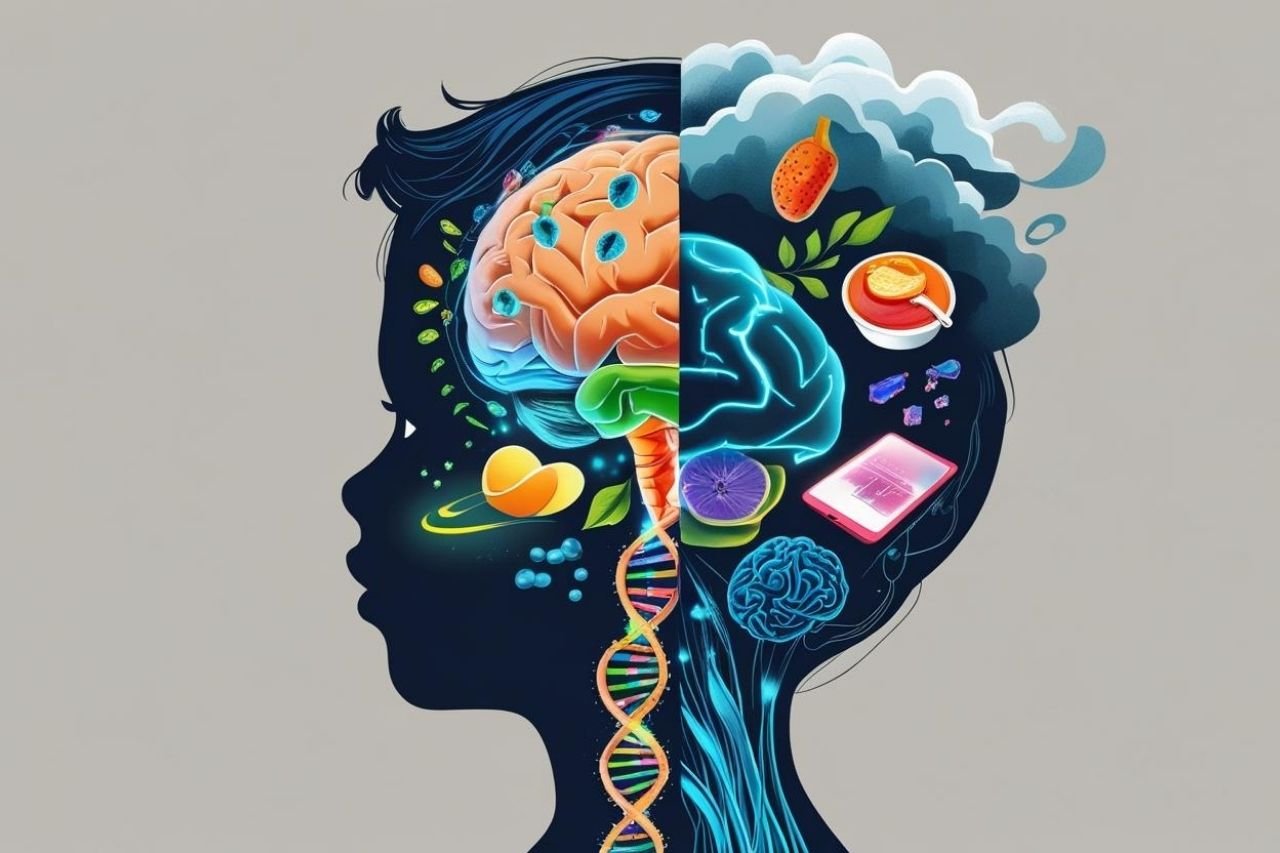
ADHD isn’t caused by one single factor — and it’s rarely just a matter of attention or motivation.
So what’s really going on beneath the surface?
From a functional medicine perspective, ADHD often reflects multiple overlapping drivers that influence neurotransmitters, stress pathways, and emotional regulation.
Here’s a clearer look at the biochemical and environmental roots that may be shaping your symptoms:
1. Neurotransmitter Imbalances
Dopamine and norepinephrine — two key messengers for focus, motivation, and follow-through — are often disrupted in ADHD.
Why does this happen?
- Low zinc or iron (needed for neurotransmitter synthesis)
- High copper (which alters dopamine conversion pathways)
- Genetic factors that affect enzyme activity (such as COMT variants)
When these chemical messengers fall out of balance, the brain struggles to regulate attention, executive function, and emotional control.
2. Methylation Dysfunction
Methylation is one of the body’s core biochemical processes — affecting neurotransmitter production, stress resilience, detox pathways, and gene expression.
But when methylation is impaired (especially in people with MTHFR or related variants) the brain may struggle to produce and regulate the very chemicals required for steady focus.
Important to note:
- Undermethylation and overmethylation can look completely different
- Each pattern may require a very different nutritional approach
- Research from the Walsh Institute shows that methylation patterns meaningfully shape ADHD symptoms
This is why “one-size-fits-all ADHD treatments” often fall short. The underlying biochemistry matters.
We’ll come back to ADHD methylation twice more on this page — once when we look at the specific nutrients that support it, and again when we explore the distinct clinical patterns (or ‘biotypes’) it can produce. Each time, we’re building on this same foundation, not repeating it.
3. Pyrrole Disorder (Pyroluria)
This metabolic condition causes excessive loss of zinc and vitamin B6 — two nutrients essential for mood regulation, neurotransmitter balance, and stress tolerance.
When these nutrients dip too low, individuals may experience:
• Inner tension or anxiety
• Irritability or emotional reactivity
• Poor stress tolerance
• Difficulty with focus or organisation
Many people with ADHD traits unknowingly fall into this pattern — and respond well once zinc and B6 are corrected.
4. Gut-Brain Imbalance
The gut plays a surprisingly powerful role in ADHD symptoms.
Why? Because inflammation, infections, food intolerances, or microbiome imbalance can alter neurotransmitter activity and increase neuroinflammatory chemicals that affect mood and attention.
Common contributors include:
- Gluten or dairy sensitivity
- Dysbiosis (bacterial imbalance)
- Inflammatory cytokines
- Gastrointestinal discomfort affecting regulation
When the gut is inflamed, the brain often feels inflamed too — making ADHD symptoms far more intense.
5. Environmental Stressors
Modern environments place enormous load on a developing nervous system.
Some factors that commonly aggravate ADHD include:
- Early trauma or prolonged stress
- Divorce, school pressure, or chronic overwhelm
- Heavy metals (like lead exposure)
- Sleep deprivation
- Screen overstimulation
- Nutrient-poor diets
These don’t cause ADHD, but they can dramatically amplify symptoms — and make emotional regulation feel harder than it should.
This is why two people with the same diagnosis can look completely different — their stress environments aren’t the same.
Untangling exactly which of these drivers apply to you is precisely the kind of work an ADHD naturopath is trained to do — which is where testing and targeted support come in next.
Natural Supplements for ADHD
When people search for natural remedies for ADHD, this is usually the part they’re most eager to learn about.
But here’s the part most people never hear:
Supplements only work when they’re matched precisely to your biotype, your test results, and your neurochemistry. This is why two people can take the exact same nutrient — and one improves while the other gets worse.
At BalanSoul, we don’t guess. We design nutrient plans based on labs, symptoms, and biochemical patterns to gently restore focus, calm, motivation, and emotional balance.

Examples of the Best ADHD Supplements and Natural Therapies We May Use:
These are just examples – the best ADHD supplements for you will depend on your biotype, testing results, and symptom profile.
Amino Acids for ADHD: Supporting Brain Chemistry Naturally
Amino acids can be powerful tools for improving dopamine and motivation — when used correctly.
• L-Tyrosine or DLPA — supports dopamine production, motivation, mental energy
• CDP-Choline — boosts focus, working memory, and acetylcholine balance
Why these matter: If dopamine or acetylcholine pathways are running low, concentration becomes harder, tasks feel overwhelming, and mental stamina drops quickly.
Amino acids give the brain its raw signalling molecules — but several foundational nutrients need to be in place first for those signals to actually work.
• Vitamins & Minerals
These foundational nutrients support neurotransmitters, stress resilience, and emotional regulation.
- Zinc — crucial for attention, impulse control, dopamine balance
- Magnesium — supports relaxation, reduces tension, improves sleep
- Vitamin B6 / P5P — needed for dopamine, serotonin, and GABA production
- Antioxidants (OPCs, Pycnogenol) — help reduce neuroinflammation and oxidative stress
These nutrients often test low in people with ADHD — and restoring them can feel like lifting a mental fog.
Nutrients rebuild the underlying chemistry; herbs can then help the nervous system make better use of it, moment to moment.
Herbal Nootropics (Plant-Based Cognitive Support)
Herbal supports can help gently regulate the nervous system without overstimulation.
- Withania (Ashwagandha) — reduces stress-driven distractibility
- Bacopa — improves focus, learning, and memory consolidation
- Tinospora — supports clarity and reduces emotional reactivity
Ashwagandha works partly by moderating cortisol, which is part of why it can ease the kind of stress-driven distractibility that makes focus even harder when the nervous system is already under pressure. Bacopa has long been studied for memory consolidation specifically, which is why it’s often considered where learning and retention — not just moment-to-moment attention — are the bigger struggle.
These herbs can be particularly useful for ADHD with anxiety or overstimulation.
Earlier, we looked at why methylation matters biochemically. Here’s where that translates into something practical:
Methylation-Supporting Nutrients
For some ADHD biotypes, supporting methylation can dramatically improve focus and emotional steadiness.
- SAMe, Methionine, Folate — may be appropriate depending on your methylation profile
⚠️ But here’s the catch:
These nutrients must only be used after methylation testing.
Using the wrong one (e.g., folate in undermethylators, or SAMe in overmethylators) can worsen ADHD symptoms.
👉 This is why every plan at BalanSoul is customised — never guesswork, never trends.
A Very Important Note: Some nutrients that support one person’s ADHD may worsen another’s. This is why personalised, data-driven ADHD supplement plans are the safest and most effective approach.
Lifestyle & ADHD Natural Therapies: Behavioural Strategies That Support Focus and Calm
Natural supplements for ADHD are powerful — but lifestyle strategies magnify their effect.
This is exactly why the most effective natural ADHD remedies rarely stop at a bottle of supplements.
These practical, science-backed behavioural changes help stabilise dopamine, reduce reactivity, and support consistent emotional regulation.
Let’s look at the strategies most people overlook:
1. Prioritise Sleep Hygiene
Why this matters: Poor sleep is one of the fastest ways to intensify ADHD symptoms.
Try:
- Keeping consistent sleep–wake times
- Avoid screens 1–2 hours before bed
- Using calming herbs or magnesium if needed
💡 “Sleep is the brain’s detox system — without it, ADHD symptoms escalate quickly.”
Sleep sets the stage for everything else — but even well-rested, the brain still needs steady fuel to hold focus through the day.
2. Feed Your Focus: Protein + Healthy Fats First
Blood sugar crashes can mimic ADHD: agitation, irritability, inattention, and brain fog.
Daily focus habits:
- Start with protein-rich breakfasts
- Include healthy fats (nuts, avocado, eggs)
- Avoid refined carbs and sugary foods
Stable blood sugar = stable focus.
Nutrition steadies the body’s internal chemistry — but calming the nervous system itself often needs a more direct approach.
3. Breathwork & Body-Based Regulation
When the nervous system calms, the brain can finally focus.
We may include:
- Diaphragmatic breathing
- Vagal nerve exercises
- Movement breaks
- Somatic grounding tools
These tools improve emotional control, reduce impulsivity, and support executive function.
None of this happens in a vacuum, though — what’s in the environment around someone matters just as much as what’s happening inside their body.
4. Reduce Toxic Load
Environmental triggers worsen neuroinflammation — which can amplify ADHD symptoms.
Helpful steps:
- Choose low-tox cleaning and skincare products
- Minimise artificial dyes and additives
- Filter drinking water (especially for heavy metals and chlorine)
None of these steps need to happen all at once, and none of them are about achieving a perfectly ‘clean’ household — they’re about gradually lightening the overall load on a nervous system that’s already working hard.
5. Manage Screen Time Mindfully
Screens hijack dopamine — making focus more difficult.
Try:
- Apps like “Forest” or “Freedom” to block distractions
- Replacing scrolling with sensory breaks, walking, or journaling
- Creating screen-free zones (especially before bed)
This isn’t about eliminating screens altogether — it’s about giving the dopamine system enough variety that it isn’t constantly chasing the next notification.
“Lifestyle is medicine. When personalized and consistent, these small shifts can profoundly change how ADHD shows up — and how you respond to it.”
Functional Testing & Assessment
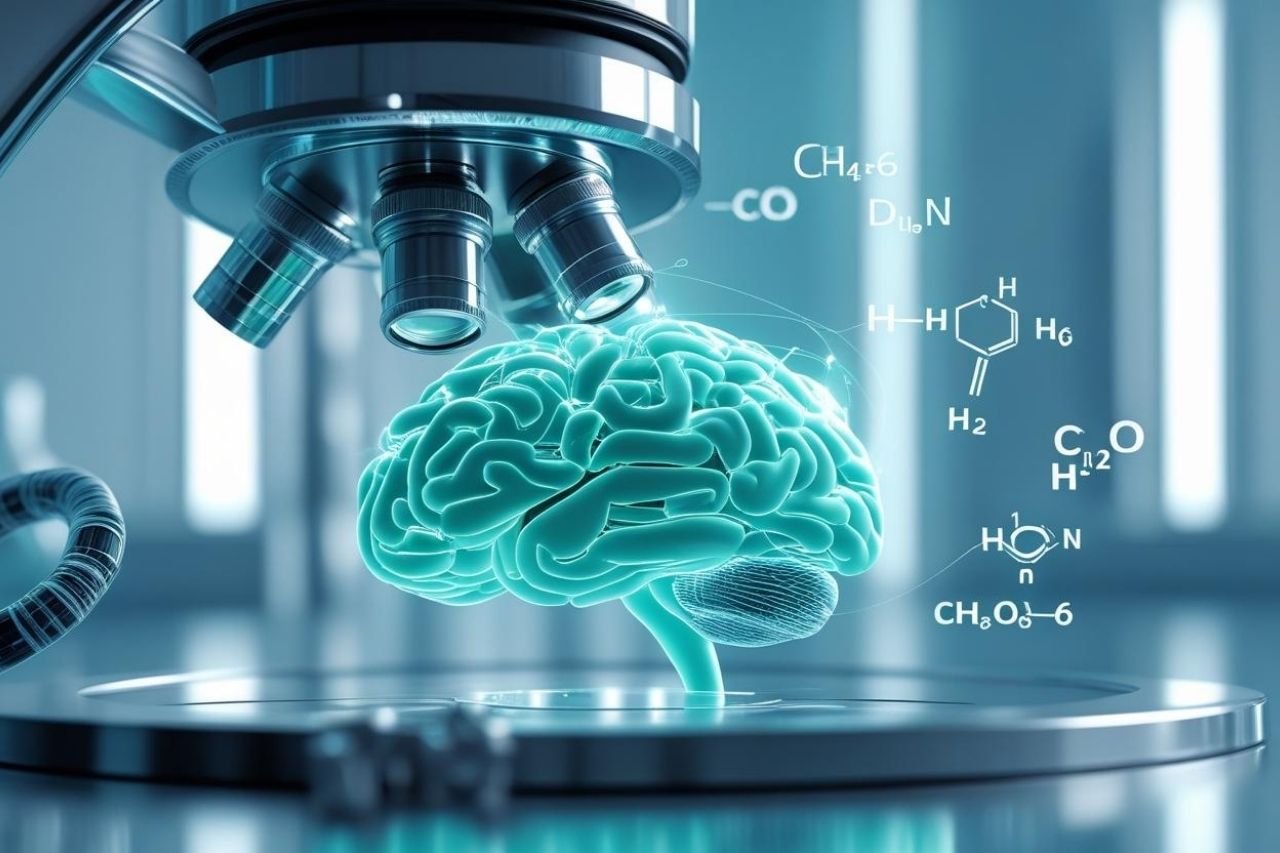
To truly understand what’s driving ADHD symptoms, we need to look beneath the surface — not just at questionnaires or behaviour checklists.
This is where functional testing for ADHD becomes invaluable — not a generic panel, but investigations chosen for your specific patterns.
👉 Think of it as “mapping your brain’s internal terrain” so we can target root causes, not chase symptoms.
At BalanSoul, we use functional pathology testing to uncover the underlying biochemical, genetic, and neurological patterns contributing to inattention, impulsivity, overwhelm, or emotional dysregulation.
Core Functional Tests We May Recommend
1. Methylation & Biotype Testing
These tests help us understand your biochemical blueprint.
- Whole Blood Histamine — identifies over- or undermethylation
- Plasma Zinc & Copper — assesses neurotransmitter balance potential
- Pyrrole (HPL) Testing — identifies nutrient-depleting pyrrole disorder
💡 Why this matters:
Undermethylation and pyrrole disorder are extremely common in ADHD — and both influence motivation, stress tolerance, serotonin balance, and dopamine activity.
Understanding your ADHD methylation status is often the single most useful piece of information we can gather — it shapes almost every nutrient decision that follows.
2. Nutrient & Inflammation Markers
- Homocysteine — sensitive marker of methylation status
- OAT (Organic Acids Test) — reveals gut health, mitochondrial function, oxidative stress, and neurotransmitter metabolites
- Hair Mineral Analysis — assesses heavy metals and long-term mineral trends
These markers often reveal hidden contributors to ADHD that standard pathology simply can’t detect.
3. Brain Function & Cognition Testing
- QEEG Brain Mapping (if available locally) — identifies brainwave patterns linked to specific ADHD subtypes
- Thyroid & Adrenal Panels — because fatigue, irritability, and brain fog can mimic ADHD
Why Test?
Testing helps us:
- 🔍 Pinpoint your unique drivers (not guess)
- 💊 Match the right nutrients to your neurochemistry
- 🚫 Avoid overloading the body with the wrong protocols
- 📈 Track progress over time with measurable markers
Walsh Biotypes and ADHD Subtypes
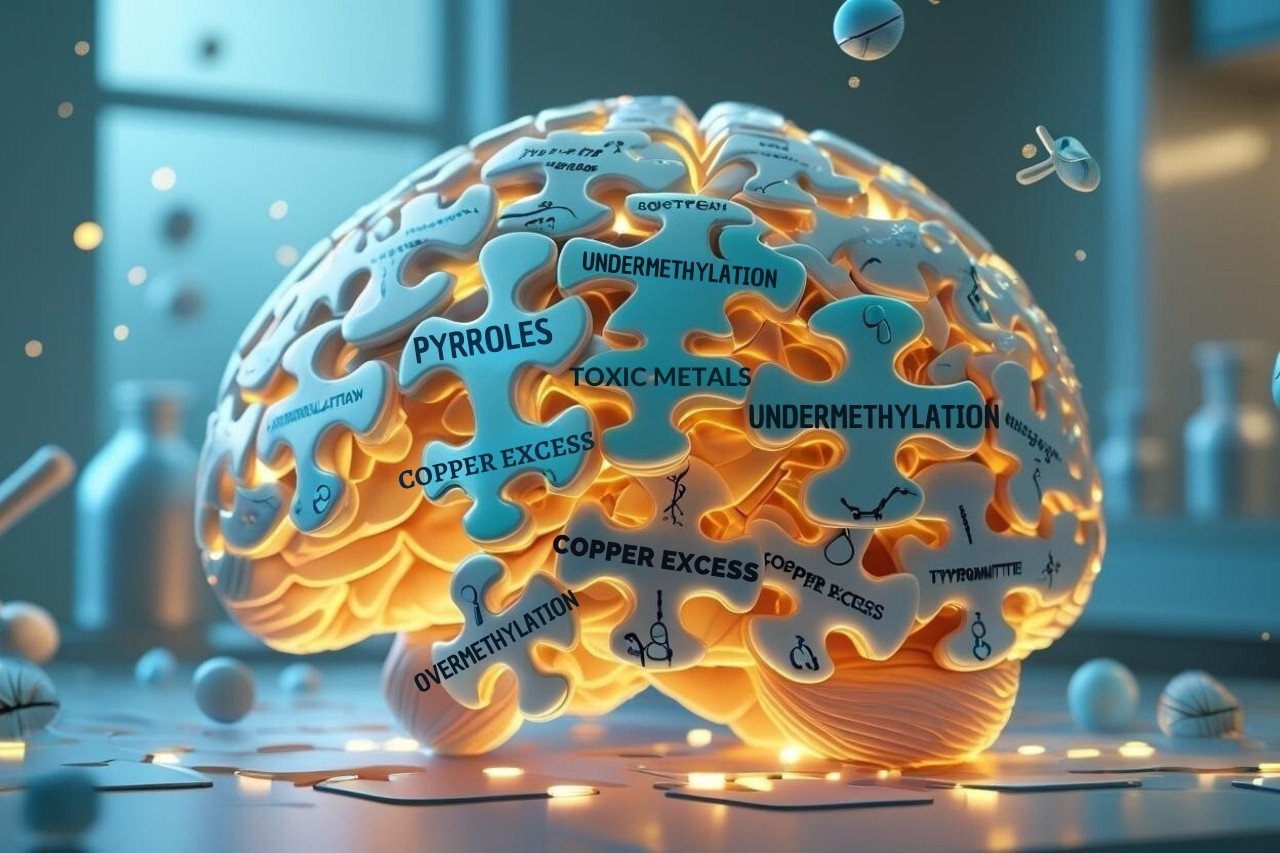
Over 30 years of research from Dr. William Walsh and his team has shown that ADHD is not one single condition — but a spectrum of distinct biochemical subtypes, each requiring specific nutrient support.
👉 This is why generic ADHD protocols often fail — because two people with the same diagnosis may have completely different biotypes.
And this is where methylation’s story gets more specific still — because how it goes wrong isn’t the same for everyone.
Here are the most common Walsh biotypes seen in ADHD:
Common Walsh Biotypes seen in ADHD:
-
Undermethylation
Often found in highly driven, focused individuals who experience inner tension, rigidity, low serotonin, and perfectionistic tendencies.
- These individuals may respond well to nutrients like SAMe or methionine
- Folate and B12 may worsen symptoms in this group
-
Overmethylation
More common in emotionally sensitive or anxious individuals with low histamine and high dopamine activity.
Symptoms may include:
- Panic
- Sensory overload
- Mood swings
- Dilated pupils
- High reactivity
These individuals often react poorly to methyl donors.
They do better with calming nutrients such as folate, niacinamide, B12.
-
Copper Overload
Excess copper raises norepinephrine and adrenaline, fuelling:
- Hyperactivity
- Irritability
- Anxiety
- Emotional volatility
Copper overload is especially common in children — and zinc plus B6 are crucial for restoring balance.
-
Pyrrole Disorder
Characterised by:
- Low stress tolerance
- Irritability and emotional reactivity
- Dreamless sleep
- Poor short-term memory
Caused by genetic tendencies that increase the excretion of zinc and B6, which are essential for dopamine and serotonin production.
💡 These patterns aren’t “personality traits” — they’re measurable biochemical imbalances that we can test, correct, and support.
🧪 That’s why we use Walsh biotype testing — not to label you, but to personalise your ADHD treatment based on your biology.
Our Functional Medicine Approach
As an ADHD naturopath, I don’t see ADHD as a single diagnosis — I see it as a unique expression of how your brain, body, and environment interact.
Our job is to decode that pattern and support your healing.
Whether you’re:
- A parent navigating your child’s hyperactivity
- An adult who has masked symptoms for decades
- Or someone seeking integrative care after medication side-effects
— the BalanSoul approach remains the same: supportive, personalised, and grounded in science.
Here’s what defines our care:
✔ Biochemically precise — guided by functional labs, not assumptions. Rather than starting from your diagnosis and working outward to a standard protocol, we start with your actual biochemistry — your nutrient status, neurotransmitter patterns, inflammation markers — and build your plan from there.
✔ Neurodiversity-affirming — we don’t pathologise your wiring. ADHD itself isn’t something we’re trying to eliminate; our focus is on easing the distress, exhaustion, and functional difficulty that can come alongside it, while respecting that your brain’s wiring is not the problem to be solved.
✔ Emotionally attuned and trauma-informed — because for many people, years of being told to ‘try harder’ or ‘just focus’ have left real emotional residue. We listen for that history, not just the symptom list, and we shape care around it.
✔ Root-cause focused, not symptom-focused — we’re less interested in temporarily managing a symptom than understanding what’s actually driving it, so the support we offer holds up over time rather than needing to be repeated indefinitely.
And just as importantly: this is never framed as an either/or choice. Whether you’re taking medication, considering it, or choosing not to, our role is to work alongside your existing care — not replace it or compete with it — individualising every recommendation to your age, symptoms, history, sensitivities, and capacity at this point in your life. This is exactly why natural remedies for ADHD are never offered here as a one-size-fits-all substitute for medical care — only ever alongside it, or instead of it, according to what actually helps you.
We work collaboratively, step-by-step, to understand what your symptoms are trying to communicate, what your biology needs, and how to stabilise focus, emotional regulation, sleep, and motivation.
You are not alone — and healing is possible.
How We Work With You:

We know seeking support for ADHD can feel overwhelming — especially if you’ve already tried things that didn’t work.
At BalanSoul, our process is designed to give you clarity, personalised care, and support that evolves with you.
Here’s what working together looks like:
1) In-Depth Initial Consultation (90 minutes)
Your story matters.
This is a comprehensive 90-minute consultation, not a rushed checklist. We explore:
- Your history and early patterns
- Stress, sleep, energy, and focus
- Digestion, diet, and sensitivities
- Past treatments and responses
👉 This session helps us understand why your ADHD looks the way it does — so your plan is based on insight, not guesswork.
2) Functional Lab Testing
When helpful, we recommend targeted functional testing — only what’s relevant to you.
This may include markers such as:
- Histamine and methylation patterns
- Zinc–copper balance
- Pyrroles (HPL)
- Adrenal, thyroid, or inflammatory markers
👉 Testing helps us match the right nutrients to your neurochemistry, avoiding trial-and-error.
3) Targeted Nutrient Therapy
Using your results, we create a customised ADHD nutrient plan that may include:
- Vitamins and minerals
- Amino acids
- Herbal or neurocalming supports
- Methylation-specific nutrients
Everything is tailored to your biotype, sensitivities, and symptoms.
4) Lifestyle & Nervous System Support
ADHD is not just biochemical — daily patterns matter.
We support you with practical strategies around:
- Sleep and circadian rhythm
- Food and blood-sugar balance
- Movement, breathwork, and sensory regulation
- Screen-time and stress recovery
These shifts often make the biggest difference over time.
5) Ongoing Support & Adjustments
Healing isn’t linear — and you’re not left on your own.
We continue to refine your plan as your symptoms shift. Some clients reduce medication with support; others combine approaches long-term.
👉 Our goal is steady focus, calmer emotions, and a life that feels more manageable — not overwhelming.
FAQ
Do I need a formal ADHD diagnosis?
No. We support both diagnosed and undiagnosed individuals — including those who self-identify based on lived experience.
Can I take medication while working with you?
Absolutely. Many of our clients combine medication with natural therapies. We never suggest altering medication without prescriber guidance.
Is this safe for kids or teenagers?
Yes. All plans are customized based on age, severity, and test results.
What if I’ve already tried supplements?
Most over-the-counter supplements aren’t matched to your biotype or neurochemistry. We test first — then tailor your protocol precisely.
Can adults develop ADHD later in life?
ADHD doesn’t develop suddenly in adulthood, but many adults remain undiagnosed until later — often after burnout or relationship stress brings symptoms to light.
Is ADHD different in women and girls?
Often, yes — women and girls are more likely to present with quieter, inattentive symptoms rather than obvious hyperactivity, and are more likely to mask, be diagnosed with anxiety or depression first, or go undiagnosed until adulthood. Hormonal changes across the menstrual cycle, pregnancy, and perimenopause can also affect symptom intensity, which is part of why personalised assessment matters.